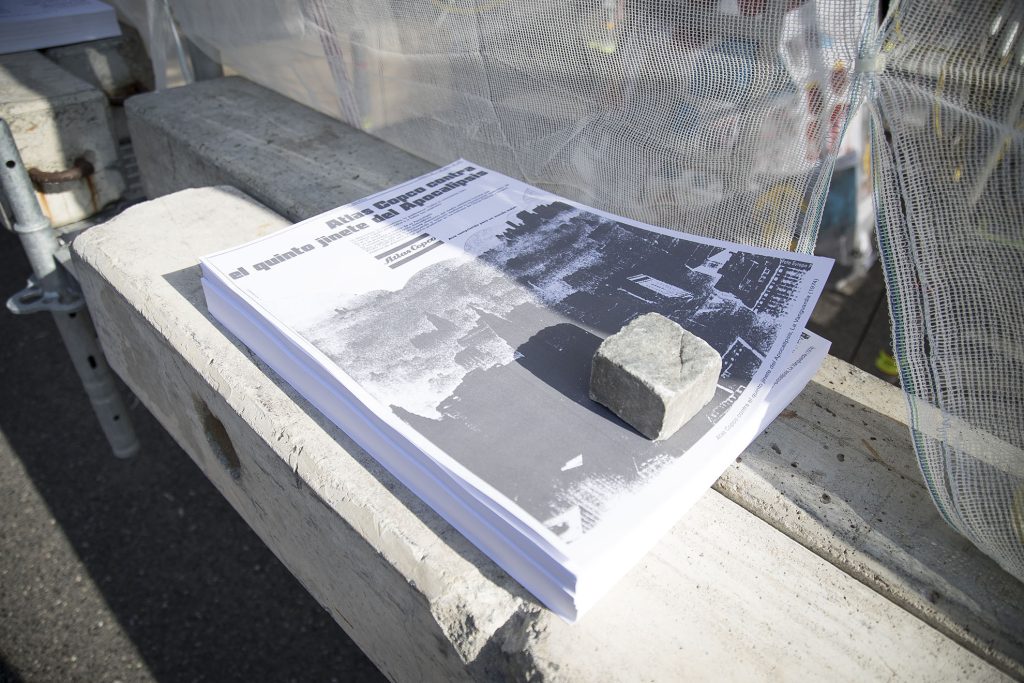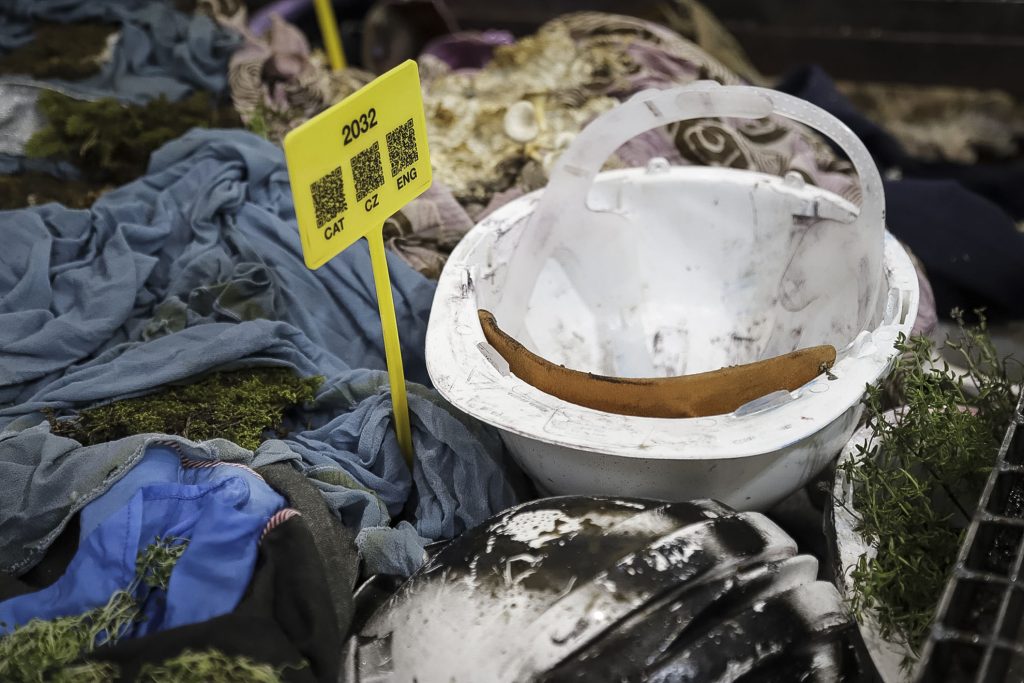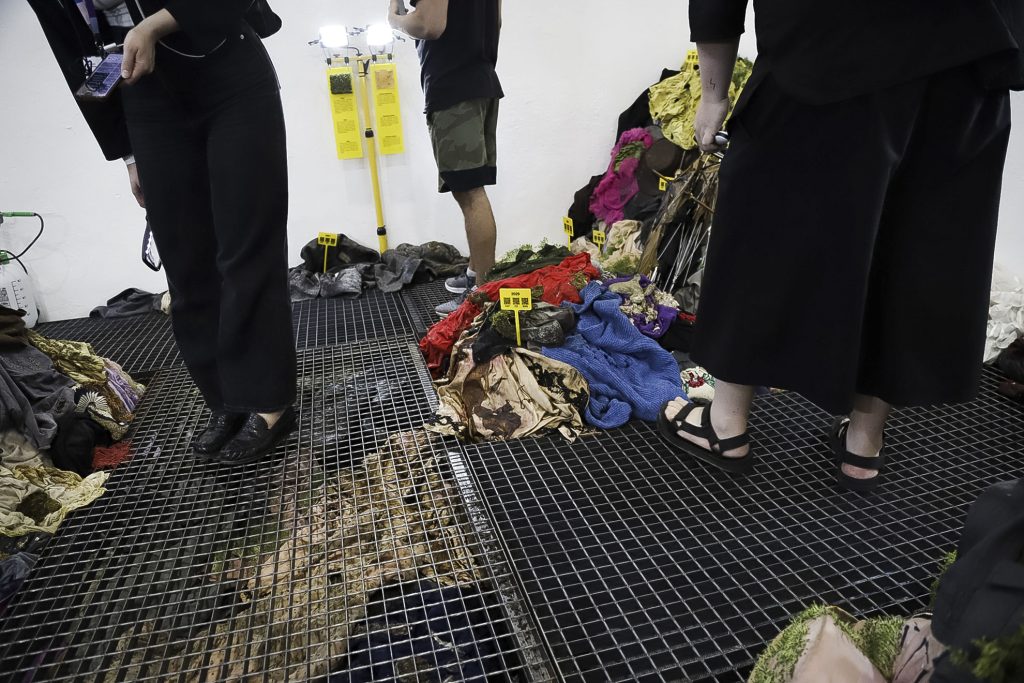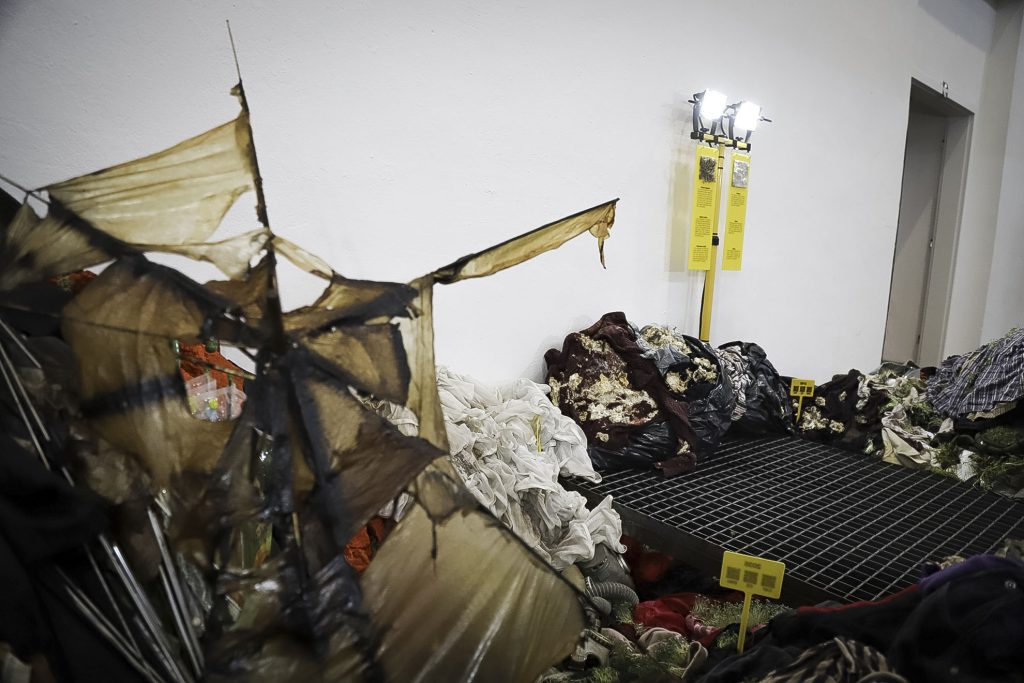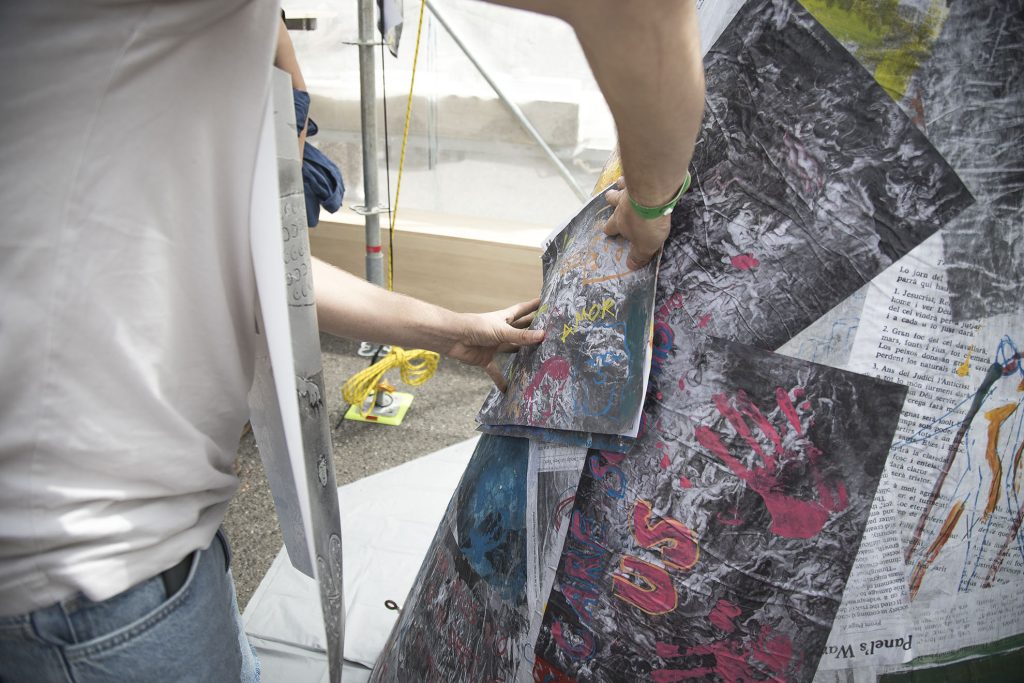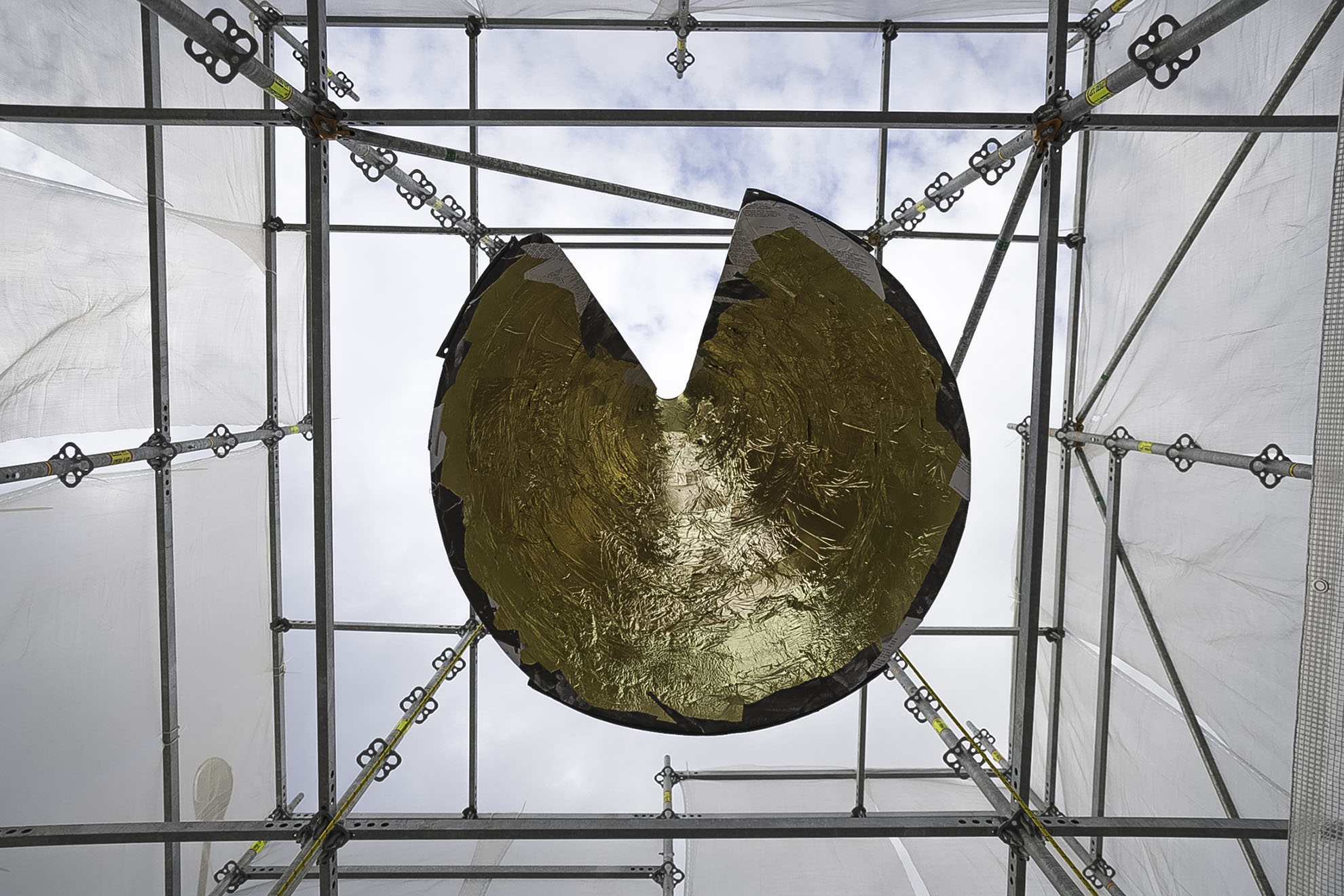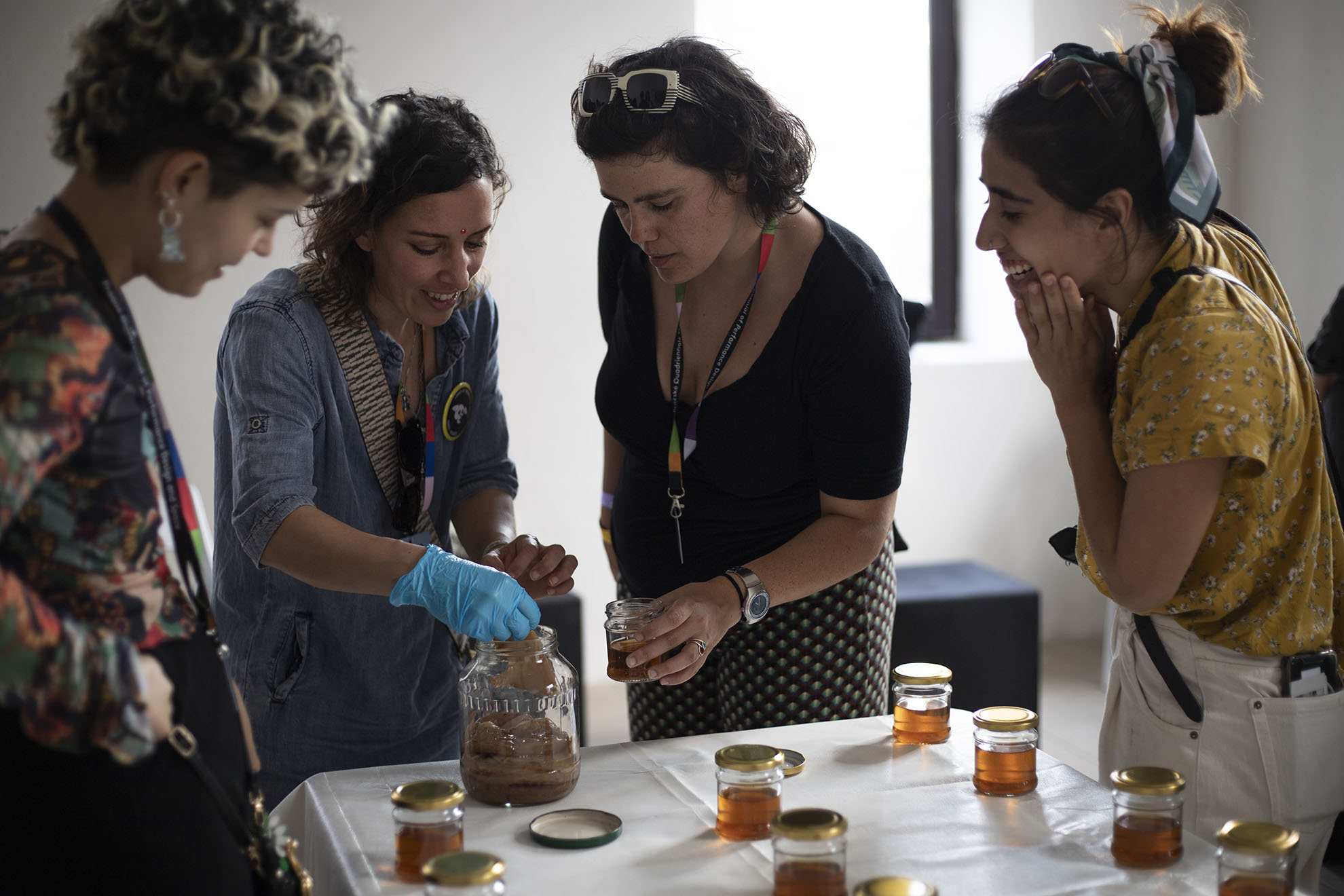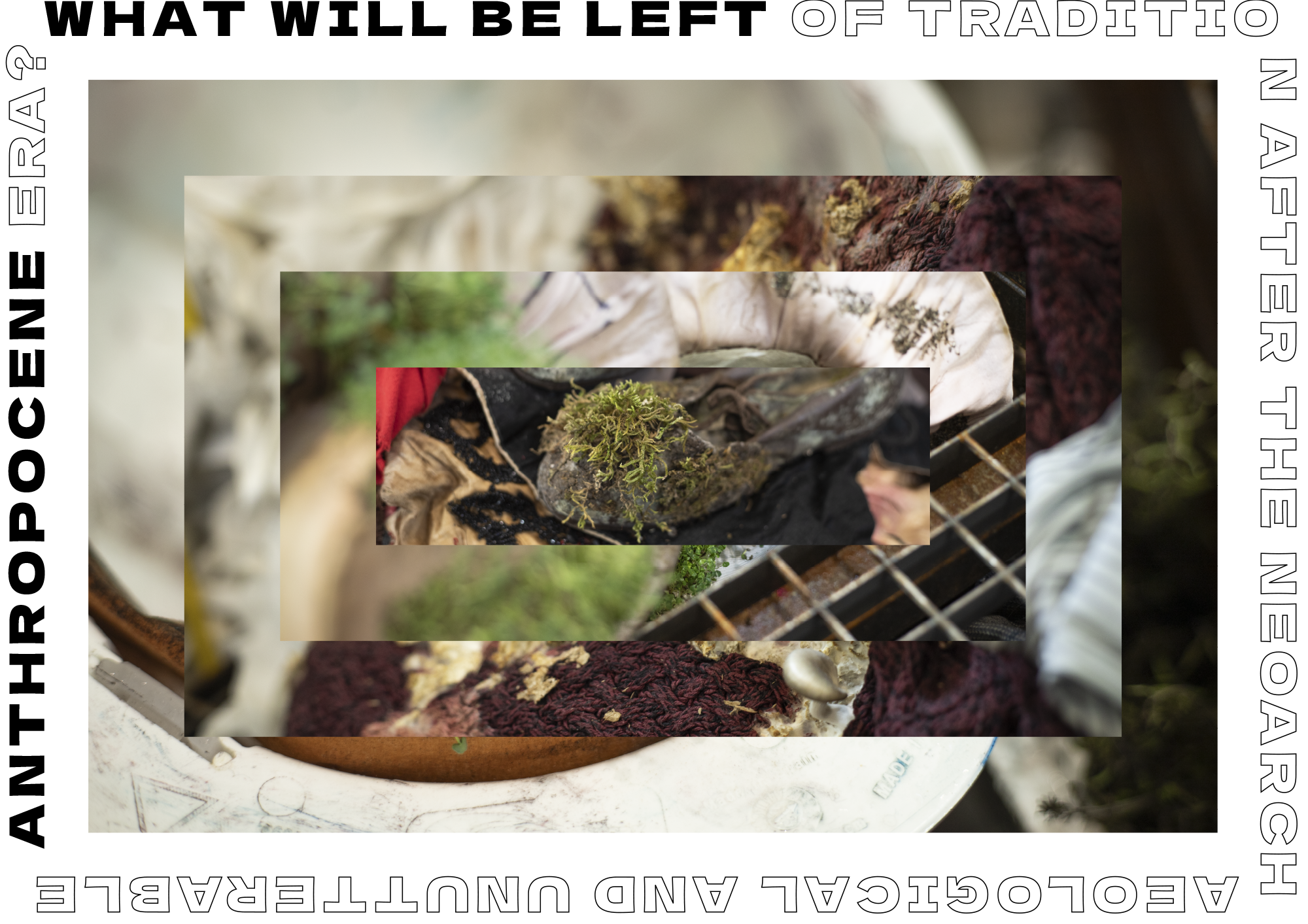
The Chant of the Sibyl offers us the opportunity to revisit an ancestral ritual from the real present towards the past. CROP adopts an opposite stance as it lets us approach the memory of a time, the past of the year 2053, which we have not yet lived. The thread that bonds and tenses these two operations can be called tradition.
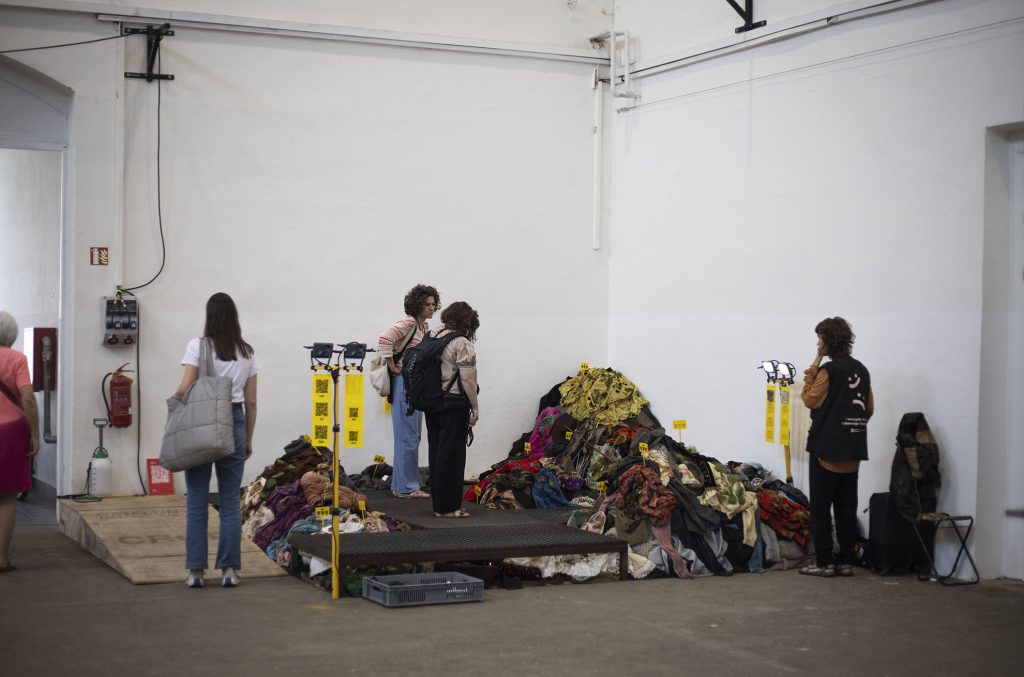
Tradition, from the Latin verb “tradere”: what is handed over and, therefore, someone inherits. The tangible heritage, the trace of material experiences, of costumes and clothing items that once was theatre and that now, in 2053, do not tell us about this theatre but use it as a way to reflect on future society. The intangible heritage of a melody that is reproduced over the centuries and keeps shifting, subject to the onslaughts and impacts of each period.
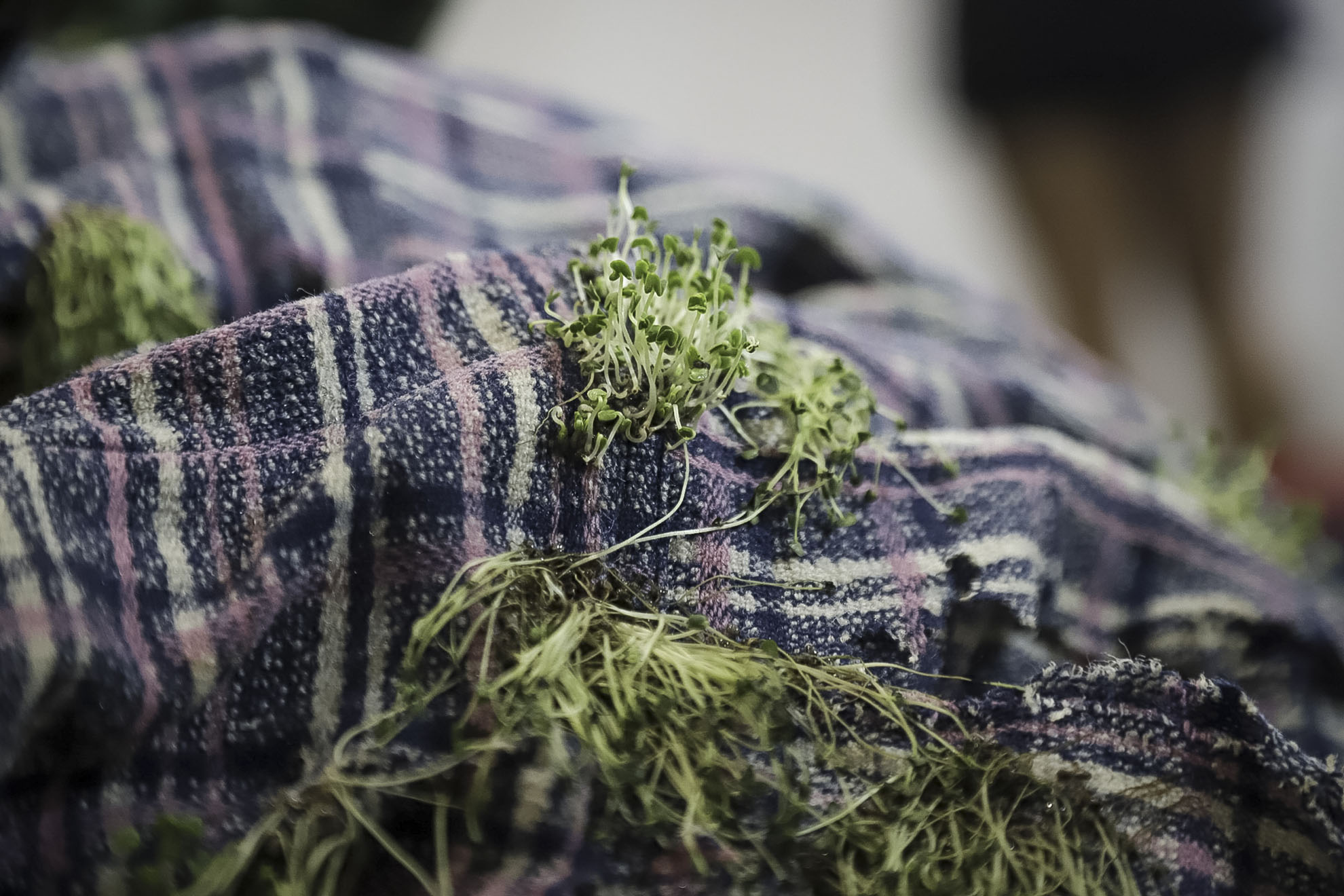
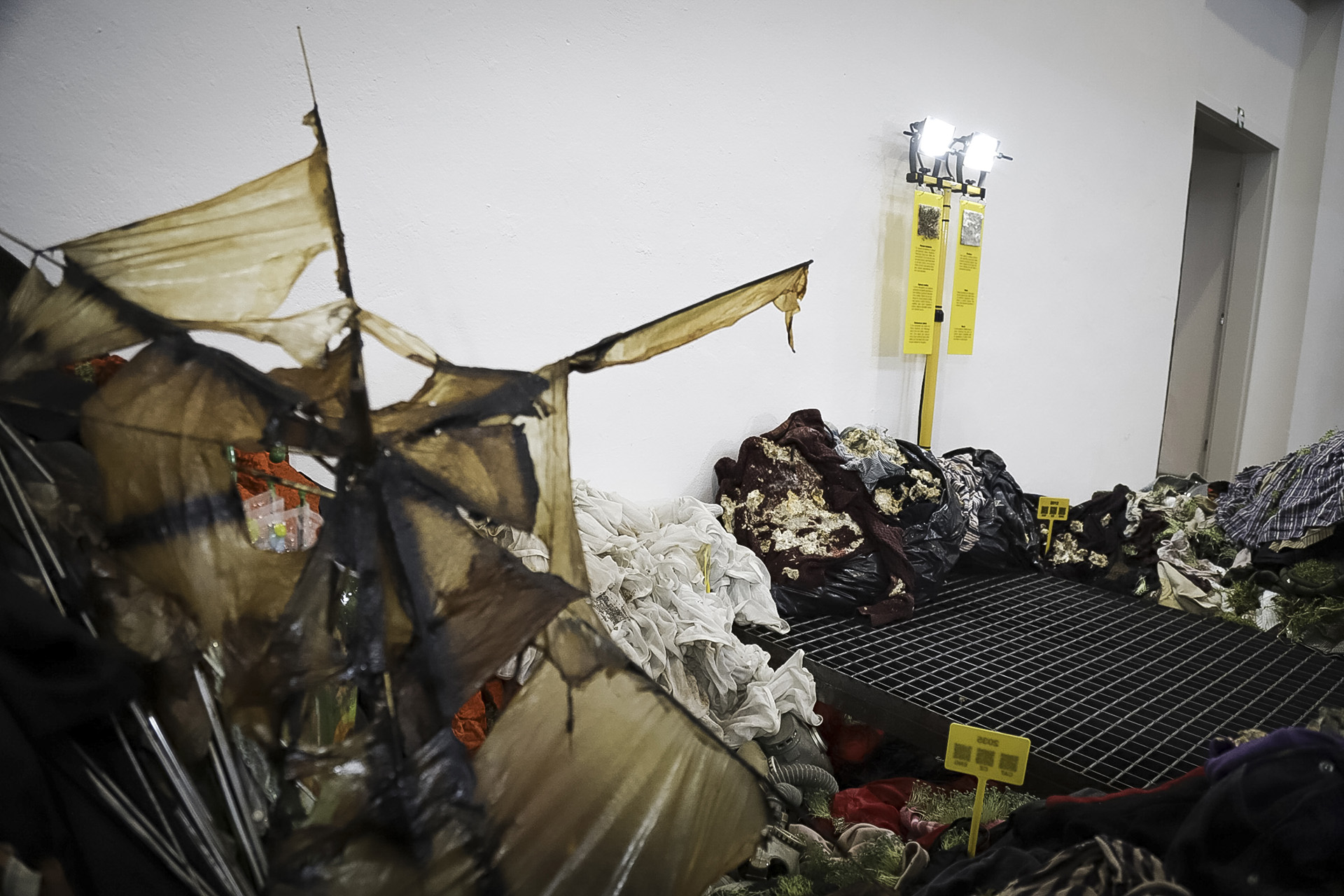
Two ways of facing the world and its conflict by challenging our relationship with tradition. What to do with the announcement of the end of the world? What to do with the world we destroy and how we represent or respond to it through theatre? Does projecting tradition onwards mean betraying it? Does keeping it intact mean ignoring it? What will be left of tradition after the neoarchaeological and unutterable Anthropocene era? A possible answer outlined by the two sceneographic installations The Chant of the Sibyl and CROP goes beyond the usual notions of tradition and betrayal: the space, the garments, the world they suggest, is rather approached as a trace. They approach culture as a living, recreated, damaged, mouldy thing. Coruscating.
Sebastià Portell
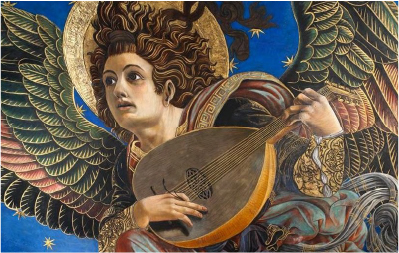
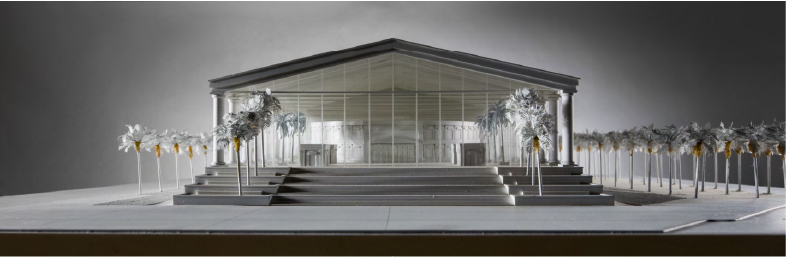
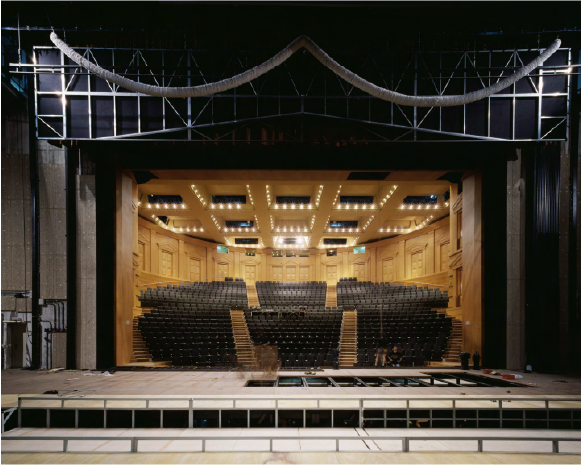
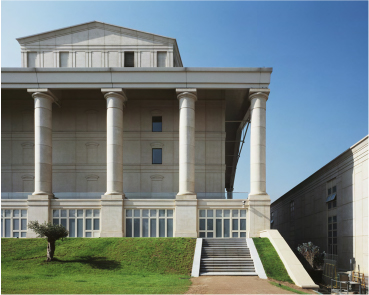
Photographs of the model and the building of the National Theatre taken from the website of Ricardo Bofill Taller d’Arquitectura.
Institut del Teatre at the Prague Quadrennial
The Prague Quadrennial of Performance Design and Space is an event of recognised international prestige that reached its fifteenth edition in 2023. It was created in 1967 and for more than fifty years has served as a point of meeting, stimulus and reflection on set design and the performing arts. The 2023 edition brought together 6,630 professionals, students, teachers and technicians, and 10,730 visitors. In 2015 it received the EU EFFE (Europe for Festivals, Festivals for Europe) award as one of the most innovative festivals in Europe.
For more than thirty years, it has been an important event for the Institut del Teatre. It has provided an opportunity to get to know Catalan work and reality but also a point of connection and dialogue with theatres, schools and professionals from around the world. The Institut del Teatre began its participation as the sole representative of Spain in the Prague Quadrennial in 1987. In the 2007 and 2011 editions it curated Spanish theatre activity with the support of the Ministry of Culture. Since 2015, taking advantage of the possibility of participating as a region, it was decided to attend as a representative of Catalonia, autonomously, with the support of the Barcelona Provincial Council and the Government of Catalonia.
The first curator was Josep Montanyès, and later the baton passed to Isidre Bravo, Guillem-Jordi Graells, Ramon B. Ivars, Bibiana Puigdefàbregas, Marta Rafa and Pau Masaló, on each occasion accompanied by a work team.
Throughout these 36 years, various awards have been attained:
- PQ95: Gold Medal Stage costumes to Alex Ollé, Carles Padrissa, Peter Minshall, Chu Oroz (Spain/Catalonia) for impressive costumes of the Mediterranean, Olympic Sea by La Fura dels Baus.
- PQ99: Gold Medal Set design to Jaume Plensa and his colleagues in La Fura dels Baus (Spain/Catalonia) for a brilliant performance, the unity of all the stage elements, and exceptional creativity. Gold Medal Stage costumes to Joan Guillen (Spain/Catalonia) for the fantasy and for accurately capturing the expression between human and animal form. Silver Medal Set design to Jon Berrondo for the set design of Así que pasen cinco años.
- PQ03: Silver Medal Architecture to Francesco Guardia Riera and Manuel Núñez.
- PQ07: Diploma of honour Architecture for the creation of Theatres at Risk by Antoni Ramon.
- PQ19: Best Exhibition Award of Countries and Regions for the installation Prospective actions (Catalunya 2004-2018). Design: Laura Clos Closca, Pau Masaló, Xesca Salvà and Marc Villanueva Mir.
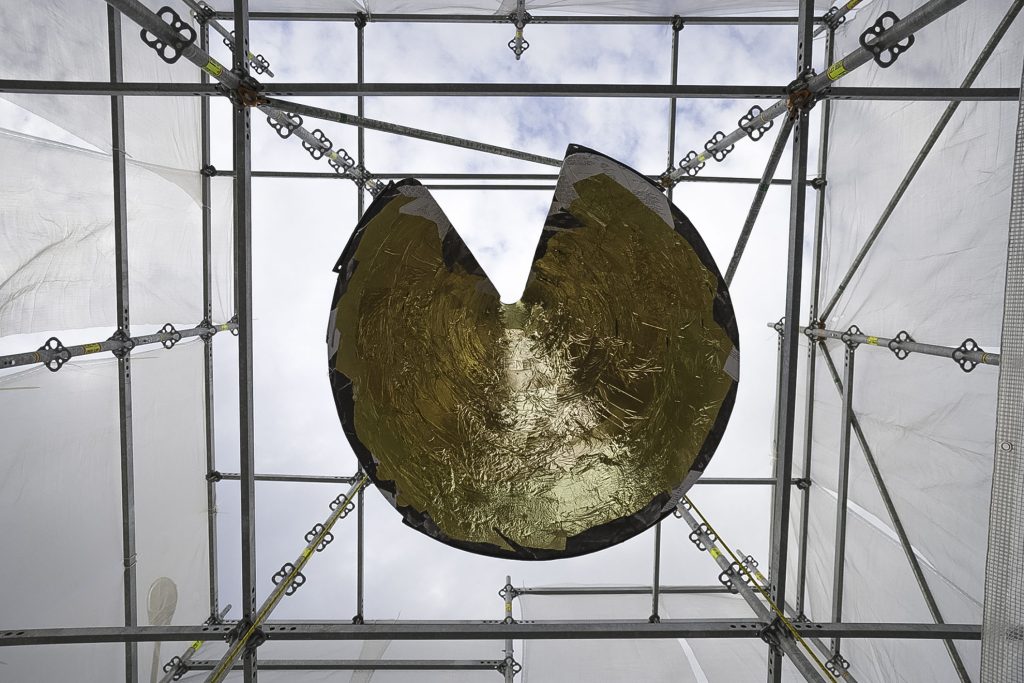
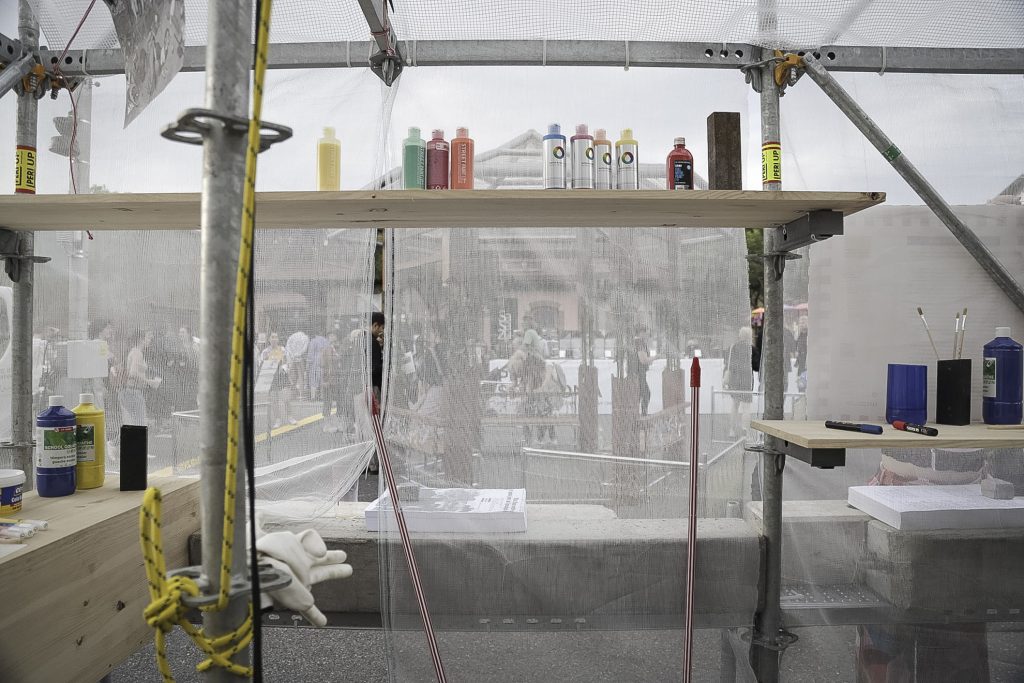
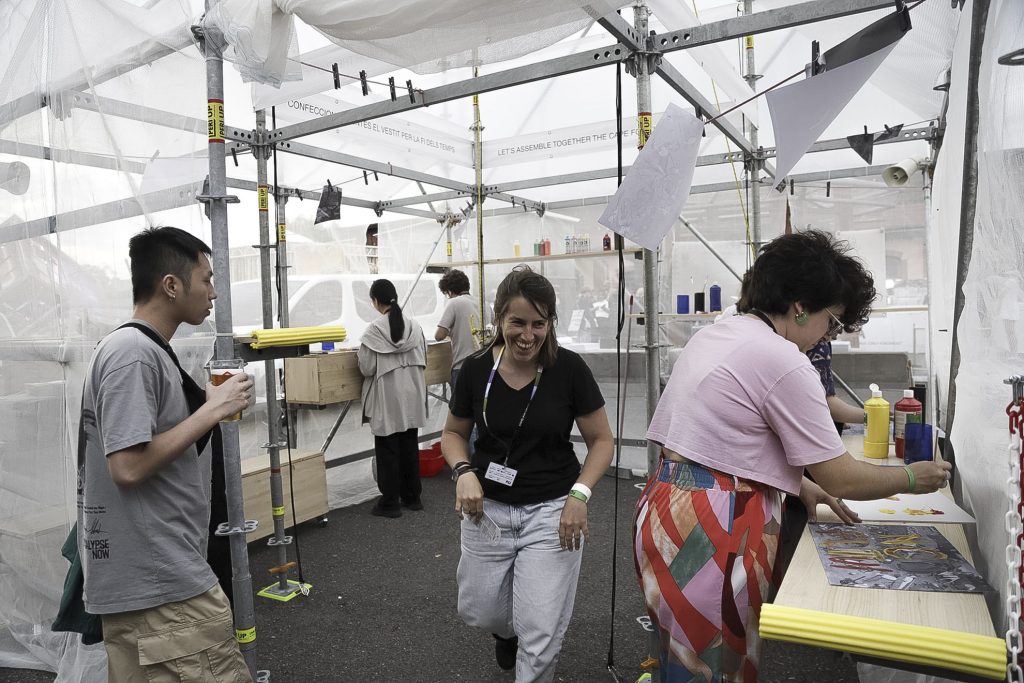
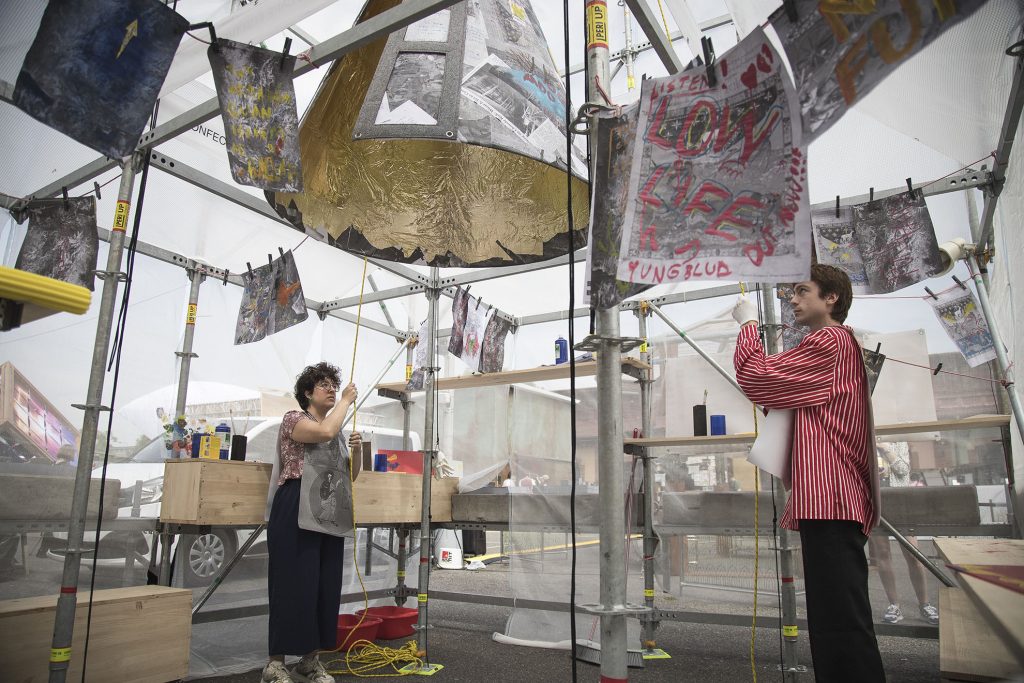
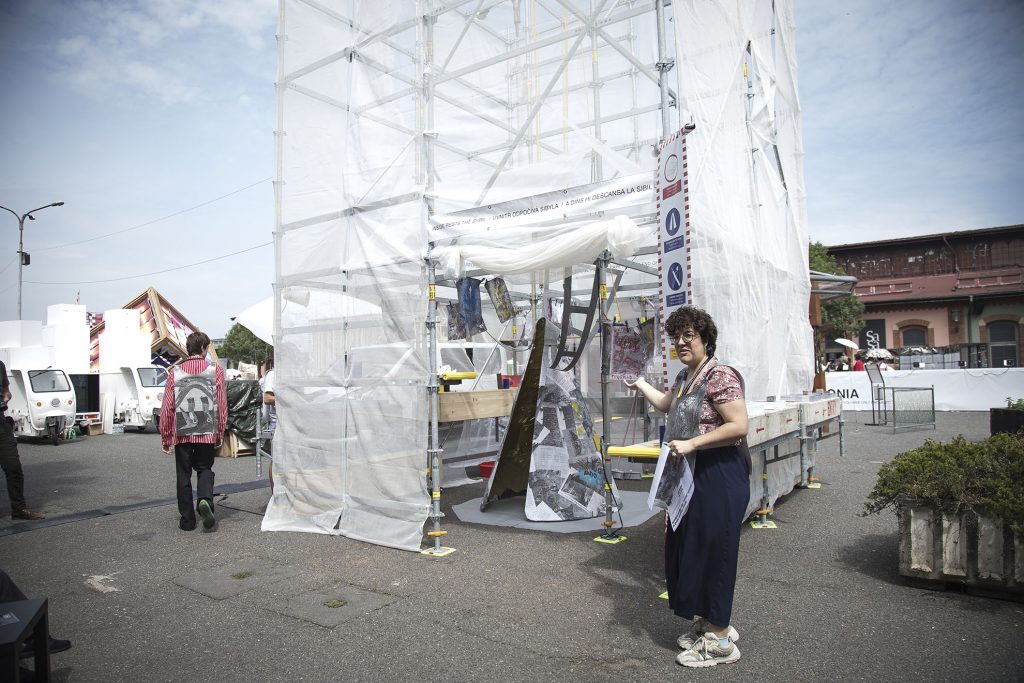
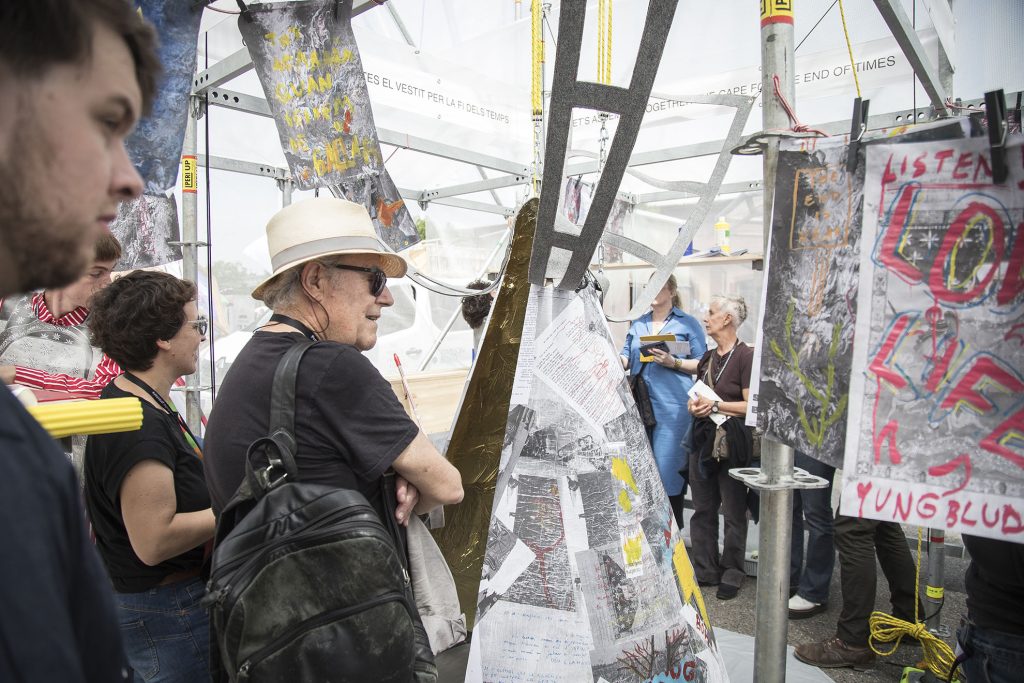
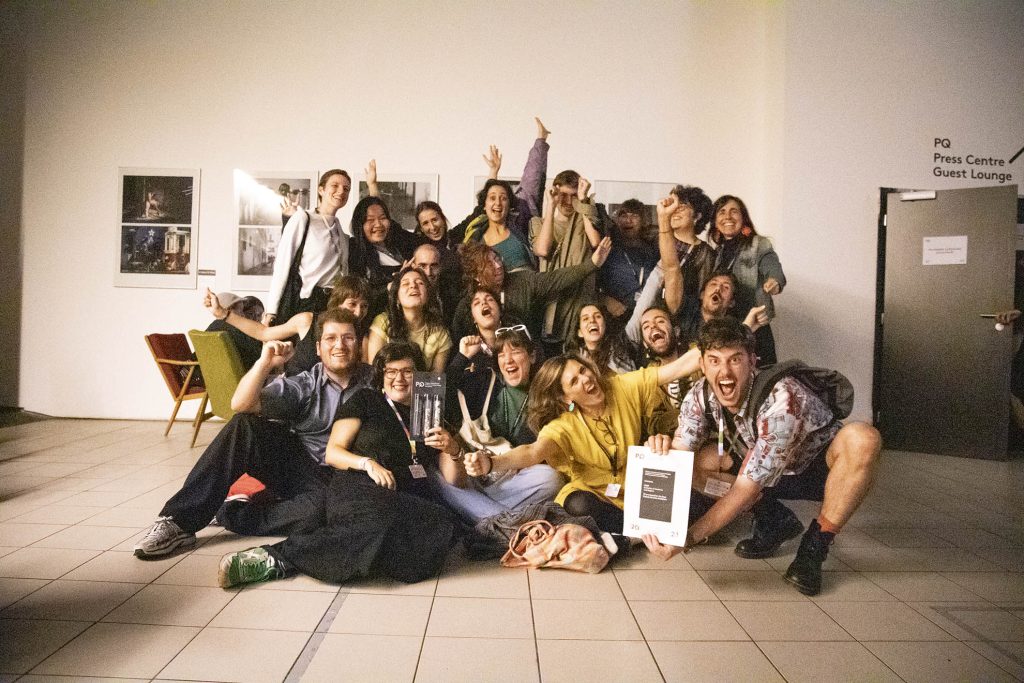
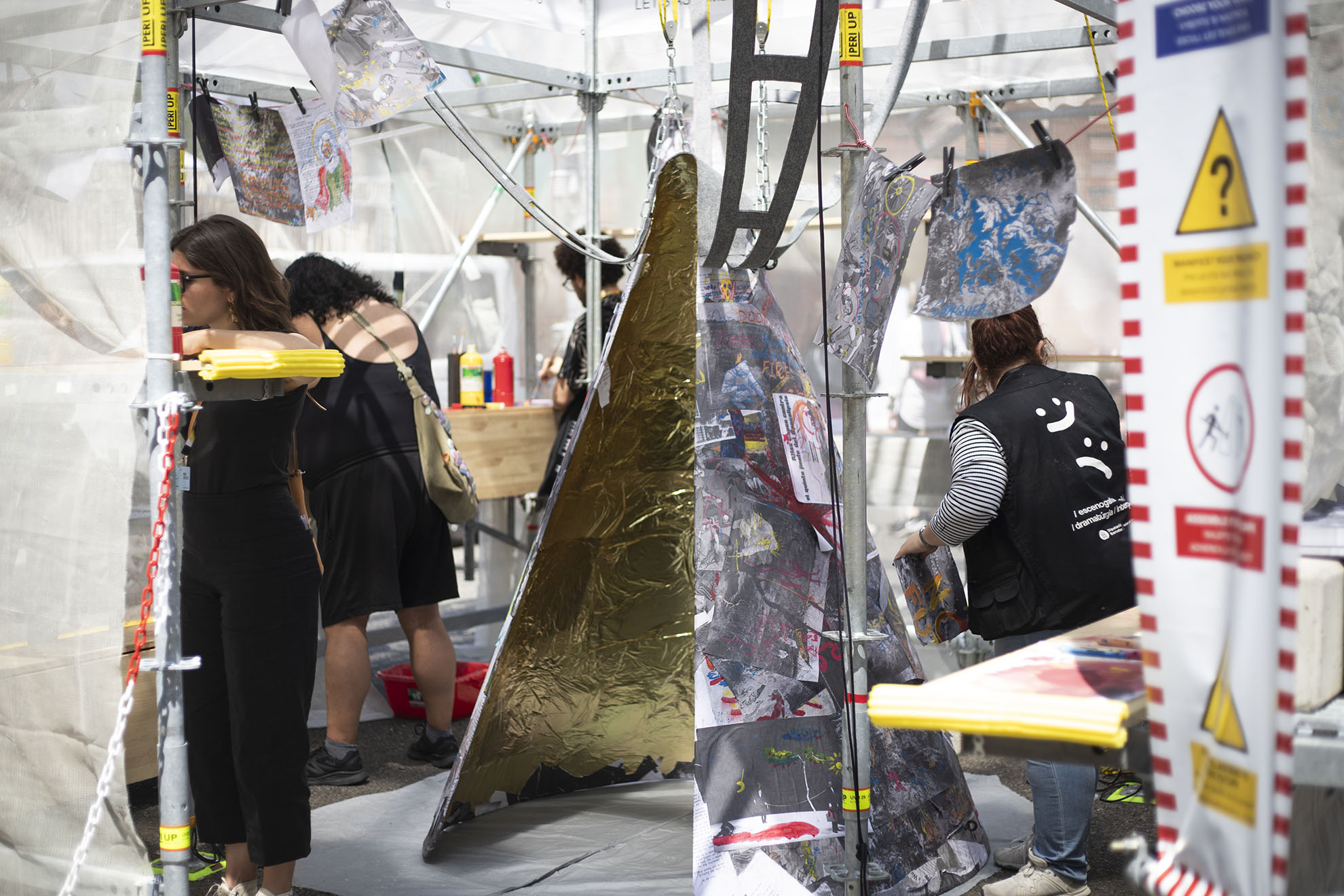
- PQ23: CT Art Award for the Most Socially Sensitive Exhibition for CROP. Design: Raquel Cors, Albert Pascual and Carlota Ricart.
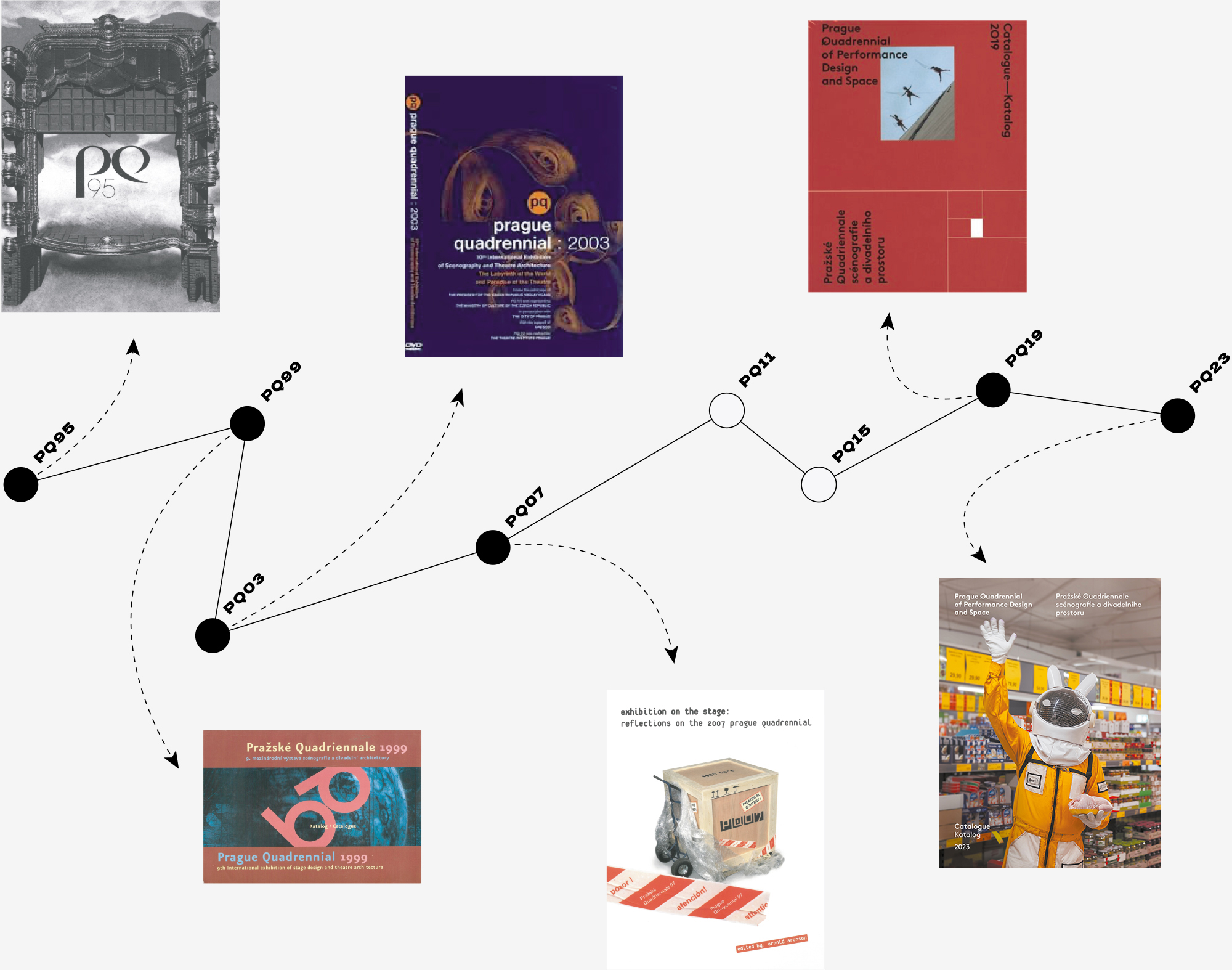


Images of the Catalan participation in the PQ of the year 1987, provided by the Museum of Performing Arts (MAE) of the Theatre Institute.
Images of the Catalan participation in the PQ of the year 2003, provided by Jon Berrondo.


Excerpt from the graphic report of PQ23 by student Helena Mateos.
The Chant of the Sibyl offers us the opportunity to revisit an ancestral ritual from the real present towards the past. CROP adopts an opposite stance as it lets us approach the memory of a time, the past of the year 2053, which we have not yet lived. The thread that bonds and tenses these two operations can be called tradition.
Tradition, from the Latin verb “tradere”: what is handed over and, therefore, someone inherits. The tangible heritage, the trace of material experiences, of costumes and clothing items that once was theatre and that now, in 2053, do not tell us about this theatre but use it as a way to reflect on future society. The intangible heritage of a melody that is reproduced over the centuries and keeps shifting, subject to the onslaughts and impacts of each period.
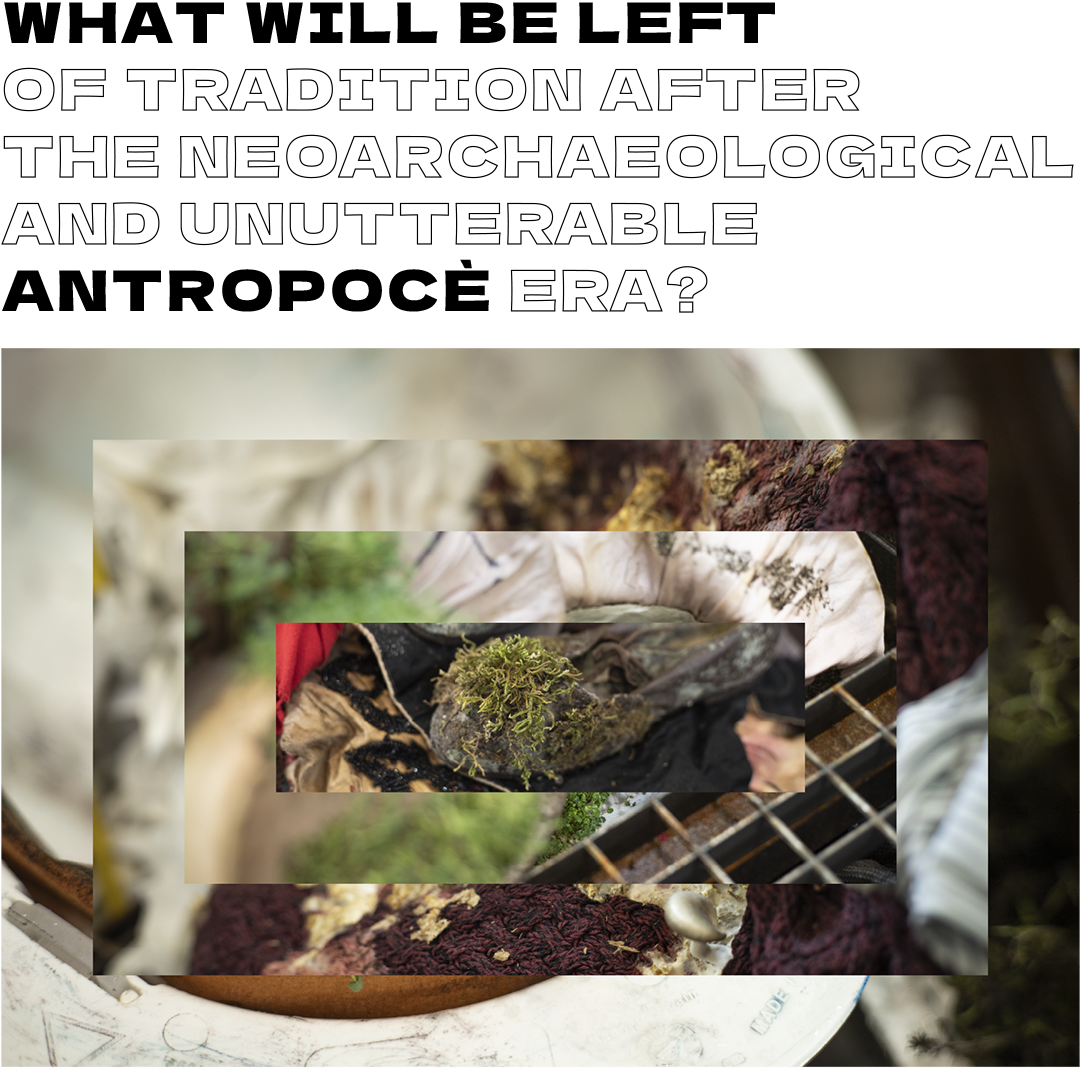
Two ways of facing the world and its conflict by challenging our relationship with tradition. What to do with the announcement of the end of the world? What to do with the world we destroy and how we represent or respond to it through theatre? Does projecting tradition onwards mean betraying it? Does keeping it intact mean ignoring it? What will be left of tradition after the neoarchaeological and unutterable Anthropocene era? A possible answer outlined by the two sceneographic installations The Chant of the Sibyl and CROP goes beyond the usual notions of tradition and betrayal: the space, the garments, the world they suggest, is rather approached as a trace. They approach culture as a living, recreated, damaged, mouldy thing. Coruscating.
Sebastià Portell
Documentary about the revival of The Chant of the Sibyl at the Cathedral of Barcelona.
Photographs of the model and the building of the National Theatre taken from the website of Ricardo Bofill Taller d’Arquitectura.
Institut del Teatre at the Prague Quadrennial
The Prague Quadrennial of Performance Design and Space is an event of recognised international prestige that reached its fifteenth edition in 2023. It was created in 1967 and for more than fifty years has served as a point of meeting, stimulus and reflection on set design and the performing arts. The 2023 edition brought together 6,630 professionals, students, teachers and technicians, and 10,730 visitors. In 2015 it received the EU EFFE (Europe for Festivals, Festivals for Europe) award as one of the most innovative festivals in Europe.
For more than thirty years, it has been an important event for the Institut del Teatre. It has provided an opportunity to get to know Catalan work and reality but also a point of connection and dialogue with theatres, schools and professionals from around the world. The Institut del Teatre began its participation as the sole representative of Spain in the Prague Quadrennial in 1987. In the 2007 and 2011 editions it curated Spanish theatre activity with the support of the Ministry of Culture. Since 2015, taking advantage of the possibility of participating as a region, it was decided to attend as a representative of Catalonia, autonomously, with the support of the Barcelona Provincial Council and the Government of Catalonia.
The first curator was Josep Montanyès, and later the baton passed to Isidre Bravo, Guillem-Jordi Graells, Ramon B. Ivars, Bibiana Puigdefàbregas, Marta Rafa and Pau Masaló, on each occasion accompanied by a work team.
Throughout these 36 years, various awards have been attained:
- PQ95: Gold Medal Stage costumes to Alex Ollé, Carles Padrissa, Peter Minshall, Chu Oroz (Spain/Catalonia) for impressive costumes of the Mediterranean, Olympic Sea by La Fura dels Baus.
- PQ99: Gold Medal Set design to Jaume Plensa and his colleagues in La Fura dels Baus (Spain/Catalonia) for a brilliant performance, the unity of all the stage elements, and exceptional creativity. Gold Medal Stage costumes to Joan Guillen (Spain/Catalonia) for the fantasy and for accurately capturing the expression between human and animal form. Silver Medal Set design to Jon Berrondo for the set design of Así que pasen cinco años.
- PQ03: Silver Medal Architecture to Francesco Guardia Riera and Manuel Núñez.
- PQ07: Diploma of honour Architecture for the creation of Theatres at Risk by Antoni Ramon.
- PQ19: Best Exhibition Award of Countries and Regions for the installation Prospective actions (Catalunya 2004-2018). Design: Laura Clos Closca, Pau Masaló, Xesca Salvà and Marc Villanueva Mir.
- PQ23: CT Art Award for the Most Socially Sensitive Exhibition for CROP. Design: Raquel Cors, Albert Pascual and Carlota Ricart.
Images of the Catalan participation in the PQ of the year 1987, provided by the Museum of Performing Arts (MAE) of the Theatre Institute.
Images of the Catalan participation in the PQ of the year 2003, provided by Jon Berrondo.
Excerpt from the graphic report of PQ23 by student Helena Mateos.