At a time apparently with no future, speculation about this future surfaces. The interest in astrological disciplines such as the horoscope and tarot has re-emerged in recent years among the millennial and centennial generations. It is the re-reading, from feminist and queer spaces, of the legacy of wizards and sorceresses, those who know about and create upcoming events. It is Silvia Federici’s Caliban and the Witch (2004) and it is the ethereal and fleeting air of Ariel in The Tempest (1611). It is the research, still rejected and dismissed today, of Witchcraft and the Gay Counterculture (1978) by the American activist and thinker Arthur Evans.
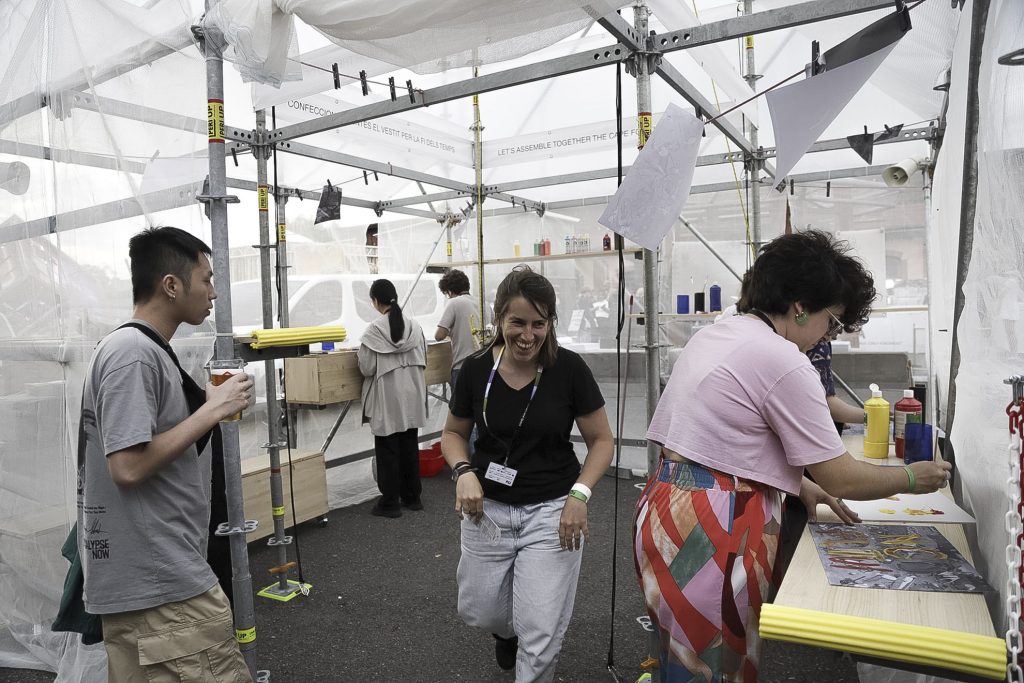
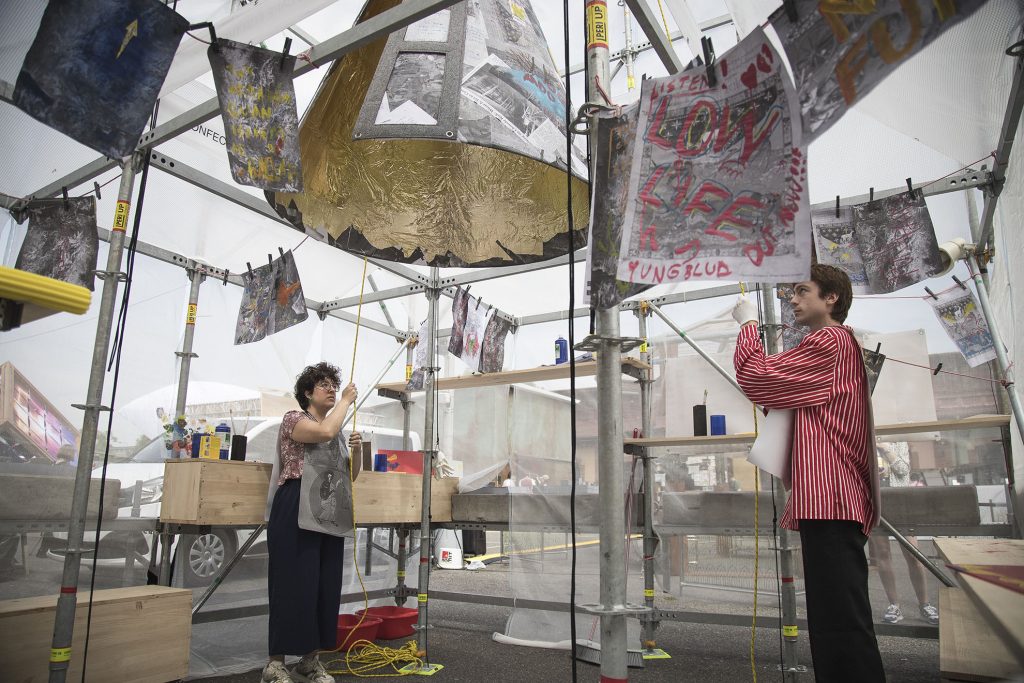
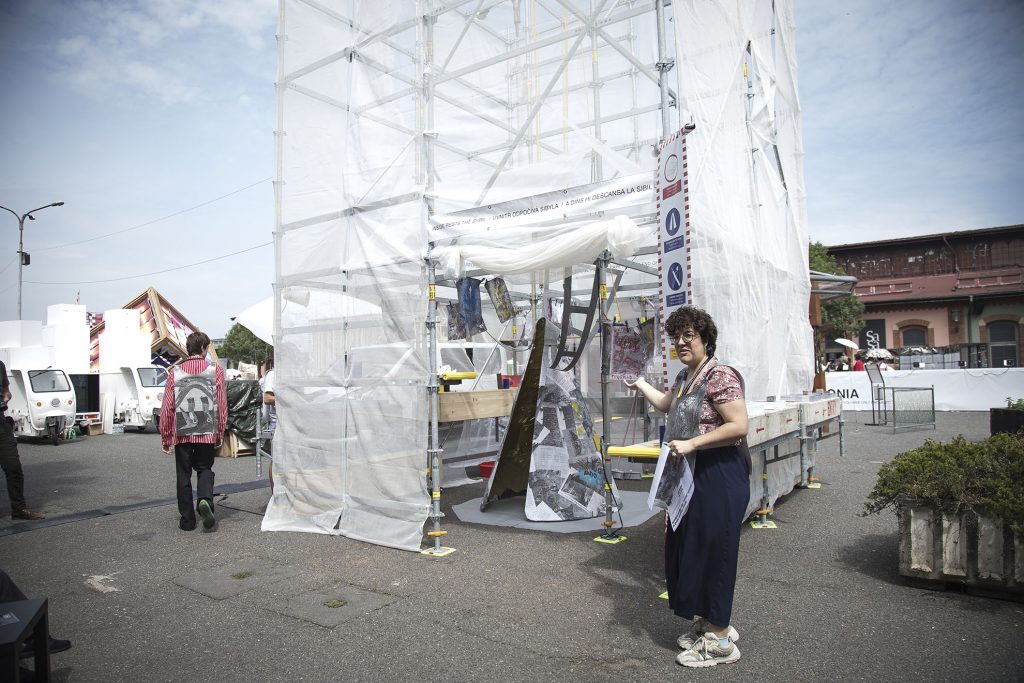
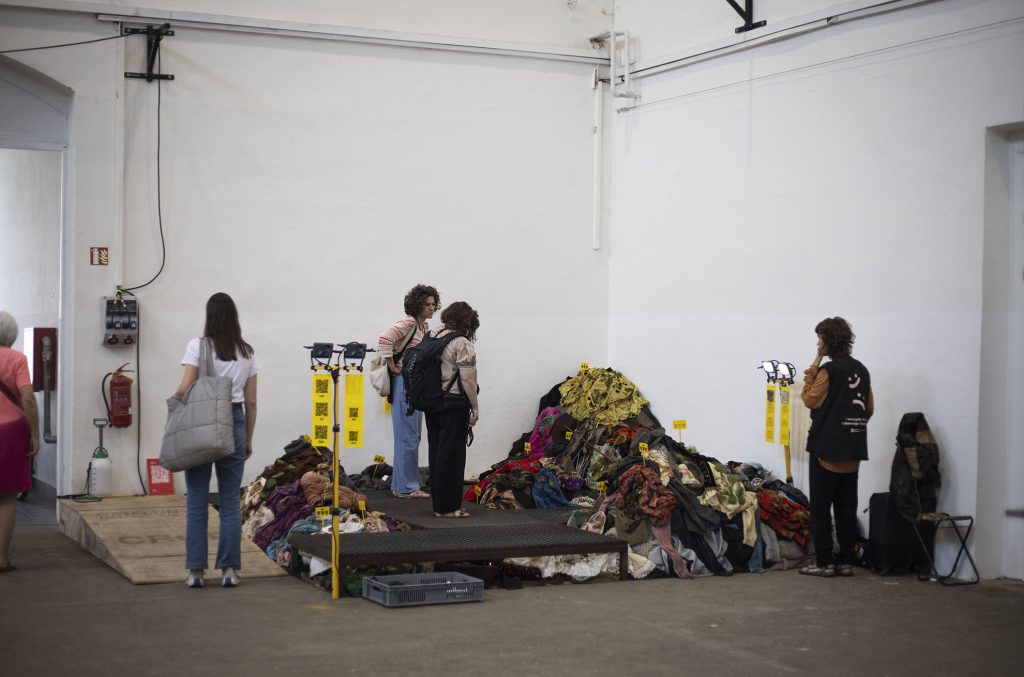
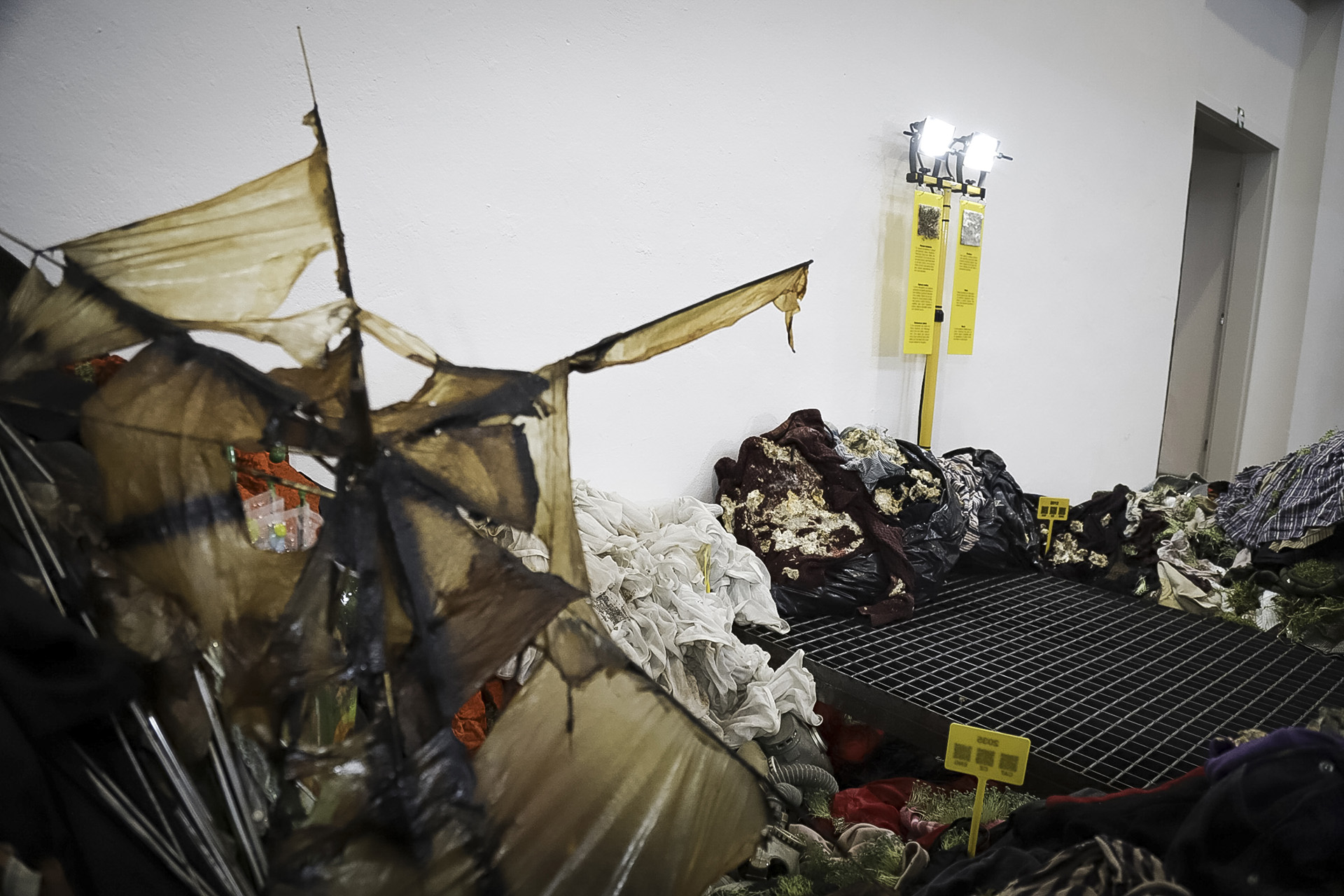
In a vein running in parallel, CROP and The Chant of the Sybil defend and give a new meaning to the speculative practices of the collective and ritual chant and the archaeological mirroring in a future that has not taken place. In a world plunged into the infoxication and the noise of data, the forecasts and the poetic function of the performance language, imagination, can become useful tools to foretell dramatic events, fires, floods and other forms of Apocalypse. And to imagine a more pleasant possible future. What will it be like to look at the remains of costumes and garments of a Teatre Nacional de Catalunya in 2053?1 If the oracles and temples are in the remotest ruin, what spaces are left to the 21st-century Sybil?
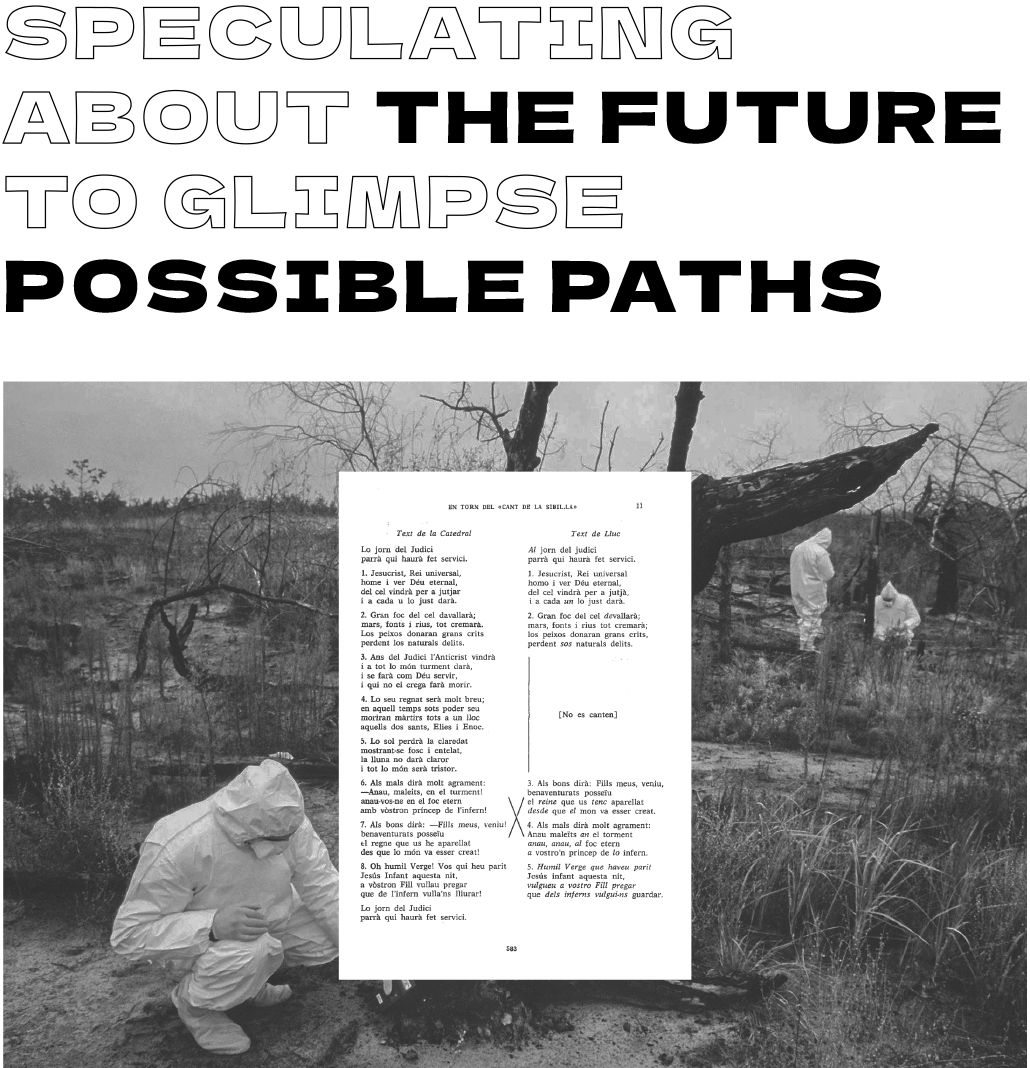
Speculating about the future2 can be a way of criticising and also a warning. Also a first step to glimpse possible paths.
Sebastià Portell
1
There is the final date, but there are also other dates: 2032, 2024, 2039, 2052, 2012, 2005, 2019, 2035, 2031, 2044, 2001, 1997. Like a succession of days with no apparent connection, a play of perspectives.
2
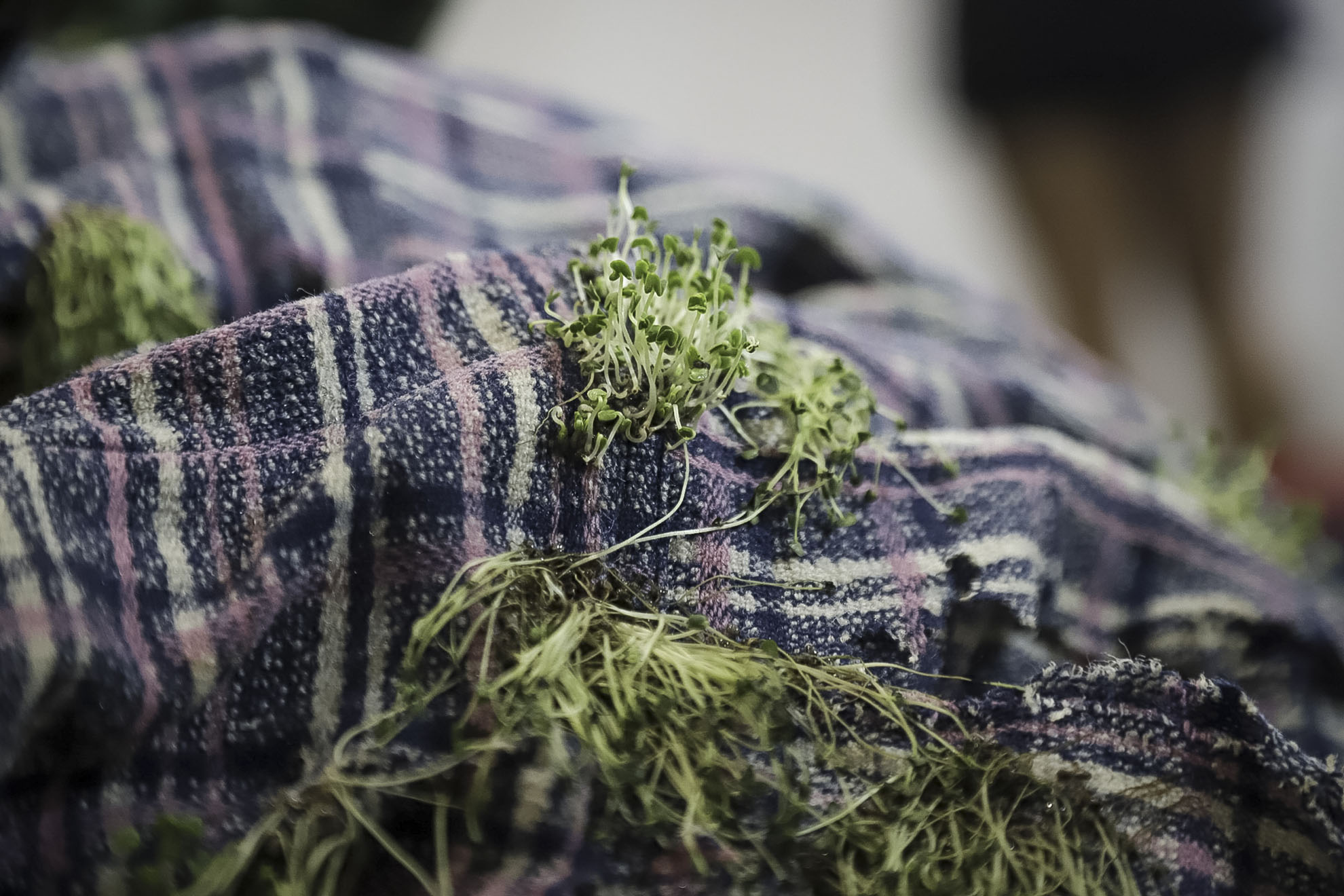
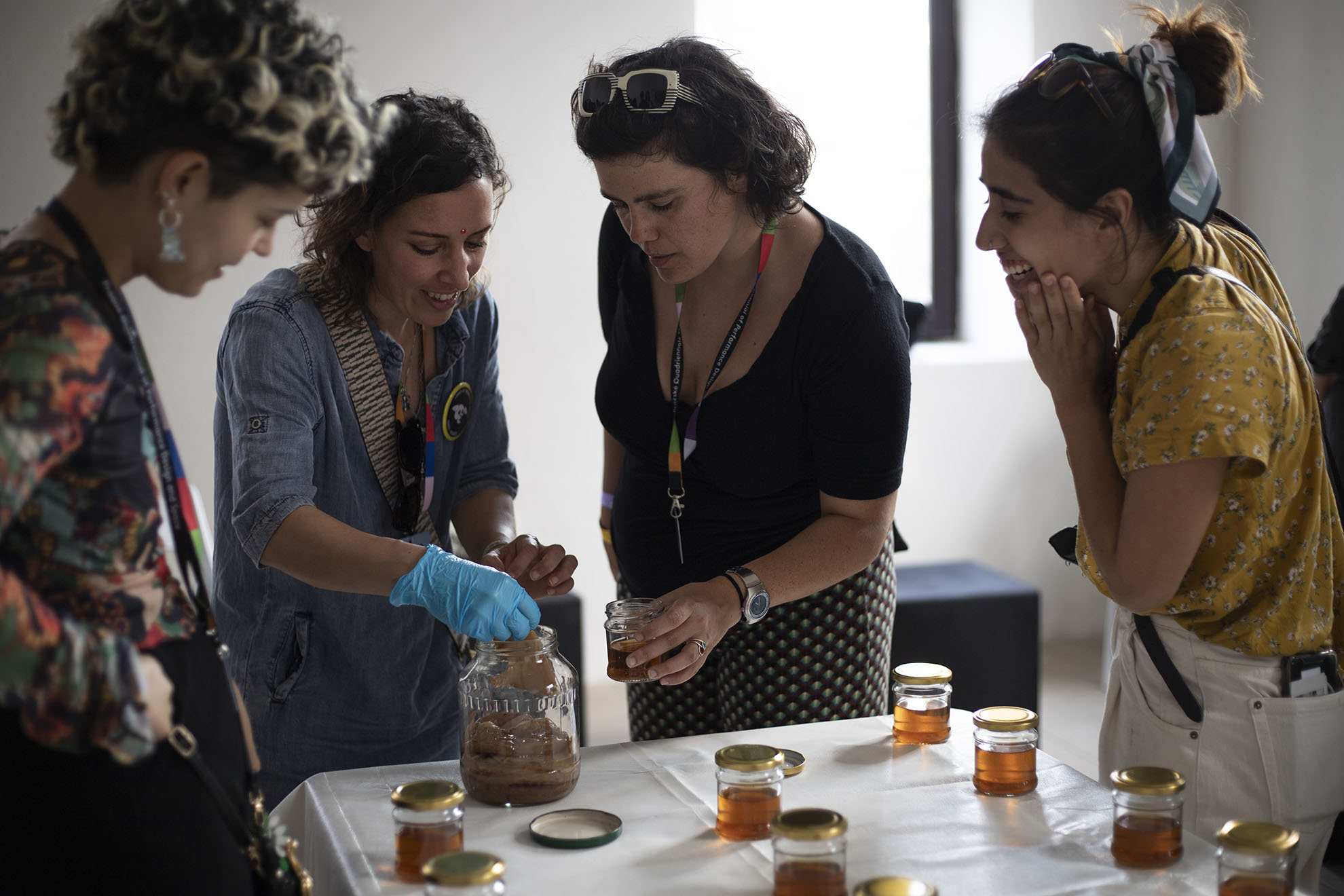
"And then what will you do with all this?" The immediate future appears in a question. A CROP user poses it: what will be done, after the Prague Quadrennial, with all this flowery stuff? Moss, mycelium, floridity, they are also living beings. Who condemns them and who pardons them? Who discards them or decides to preserve them? Interrogating about what is to come also implies imagining the possibilities of deciding.
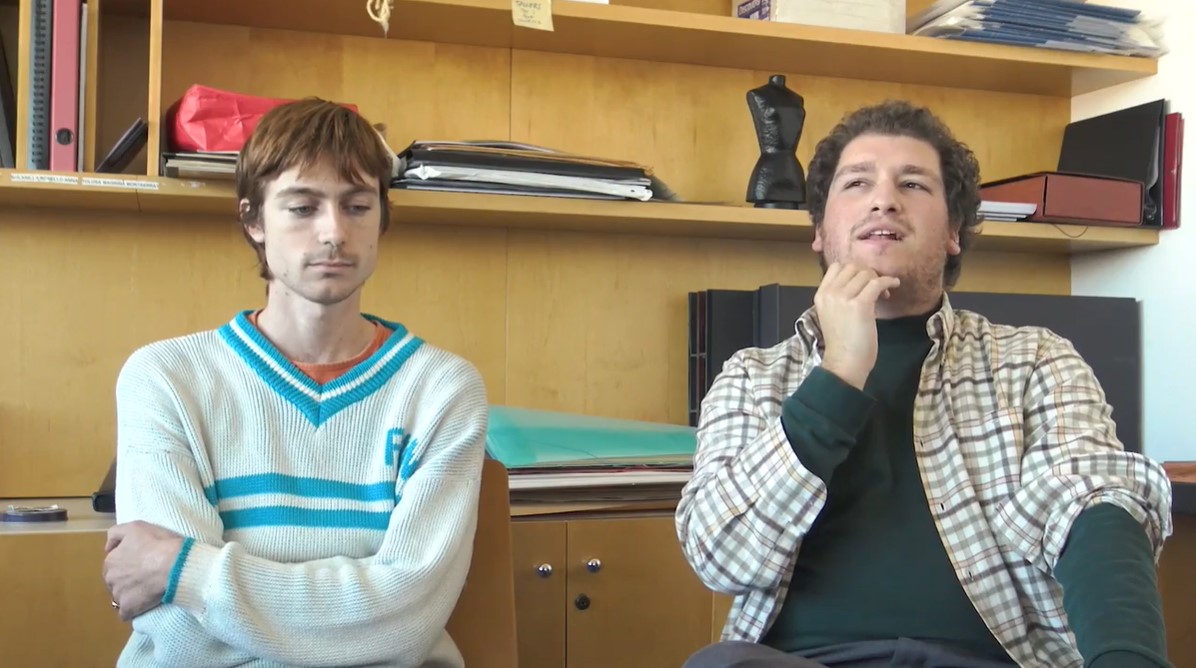
1' 28'' — The future according to the student team.
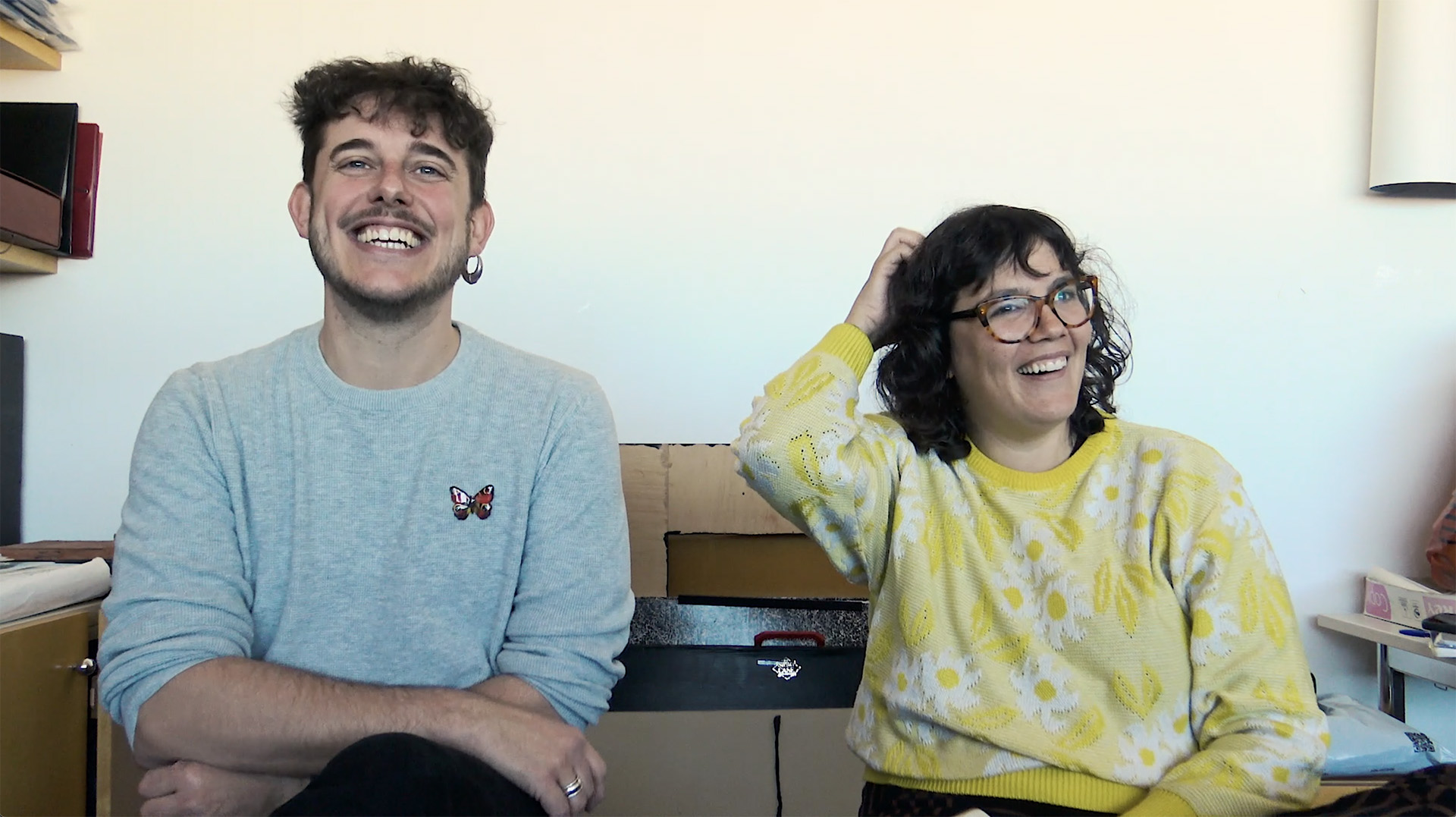
1' 48'' — The future according to the professional team.
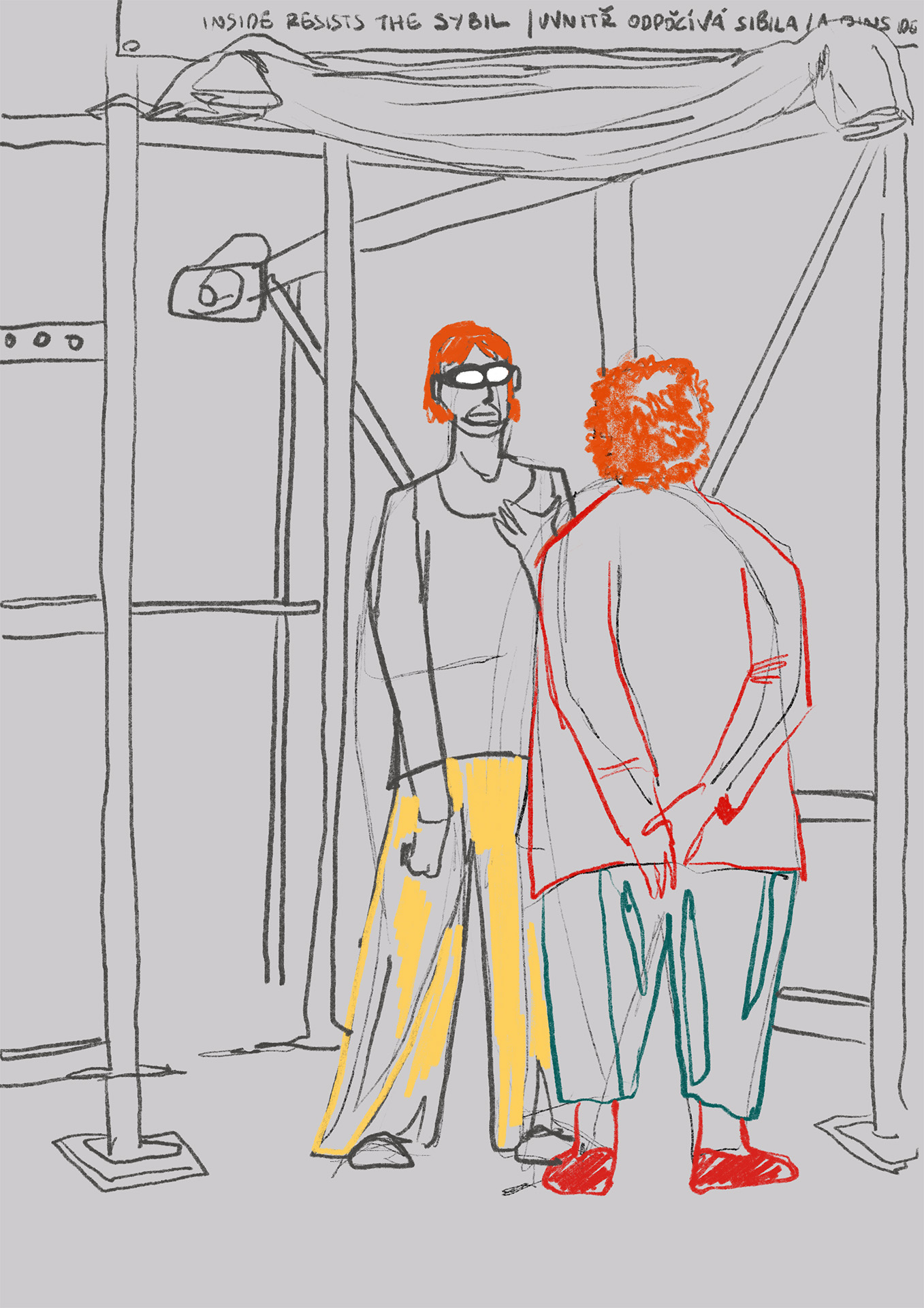
The Chant
of the Sybil
Raimon Rius
PQ Talks
Raimon Rius

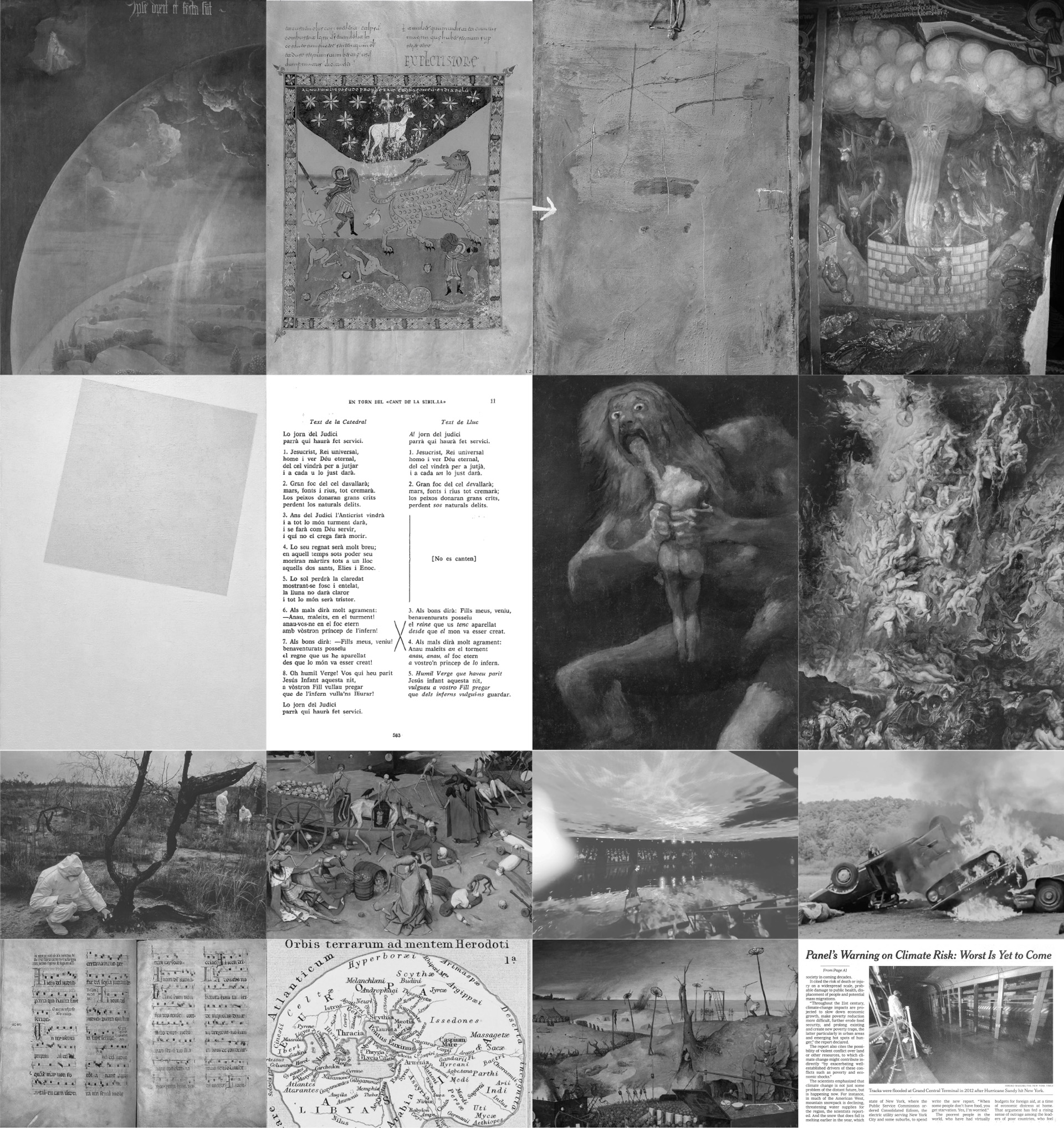
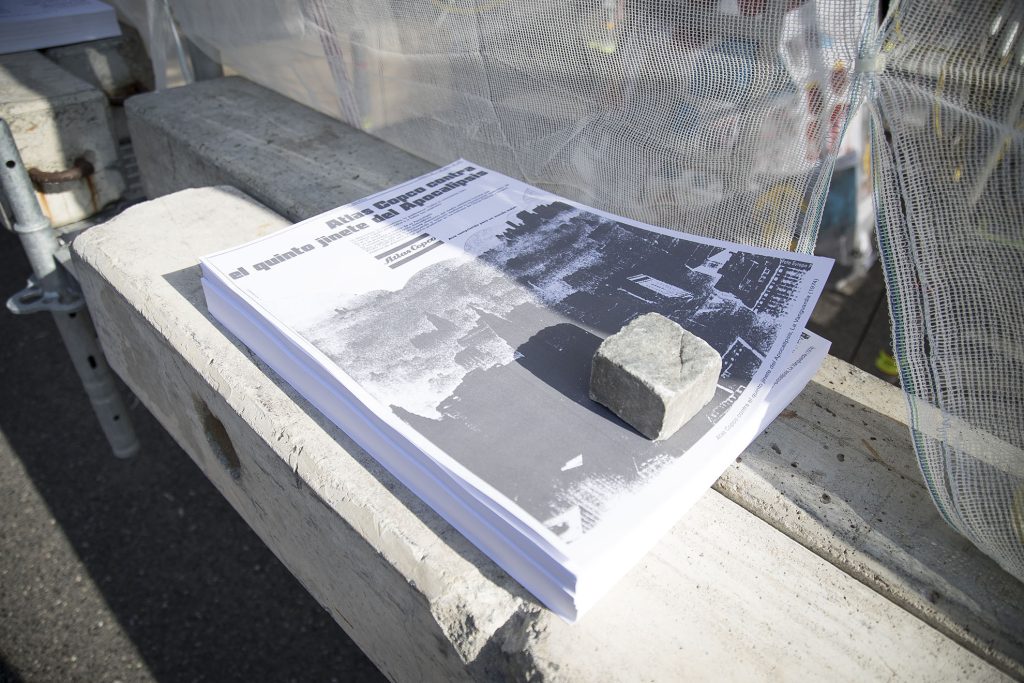
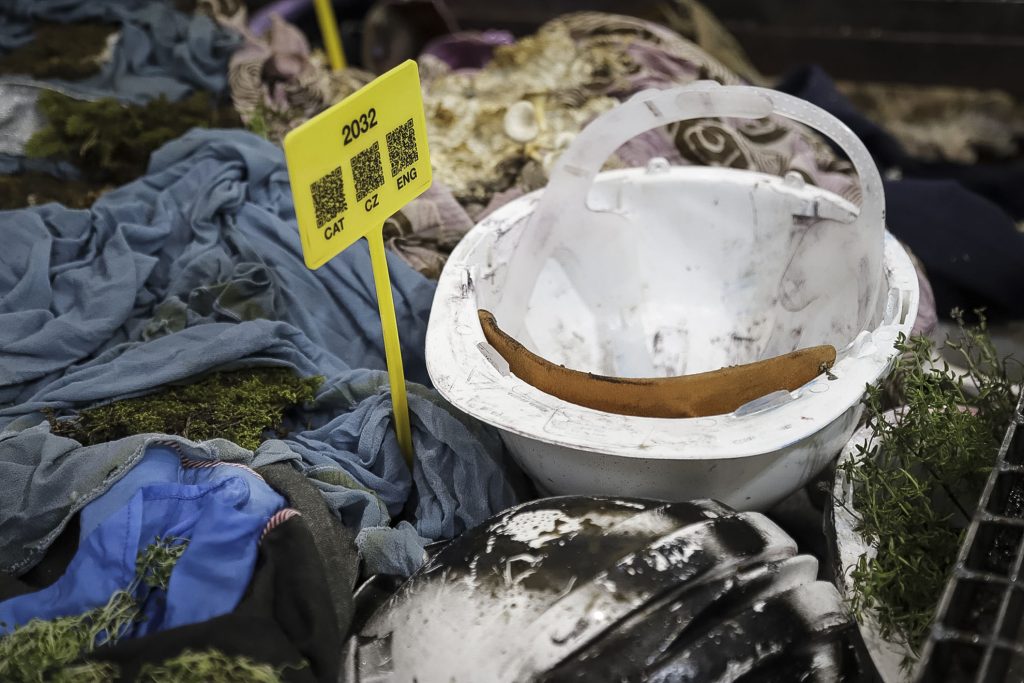
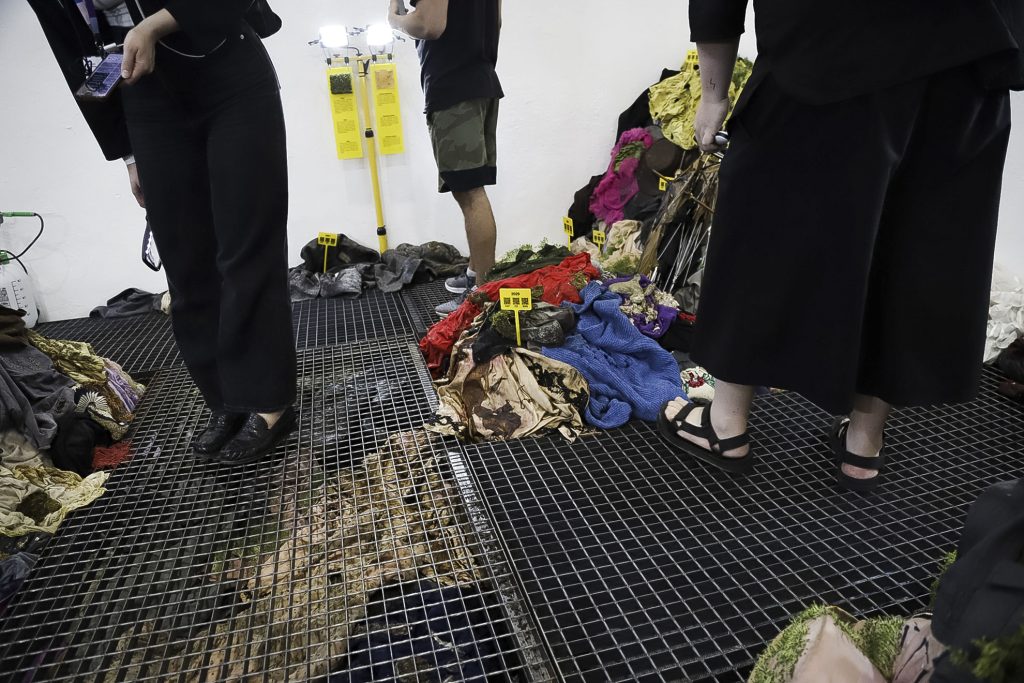
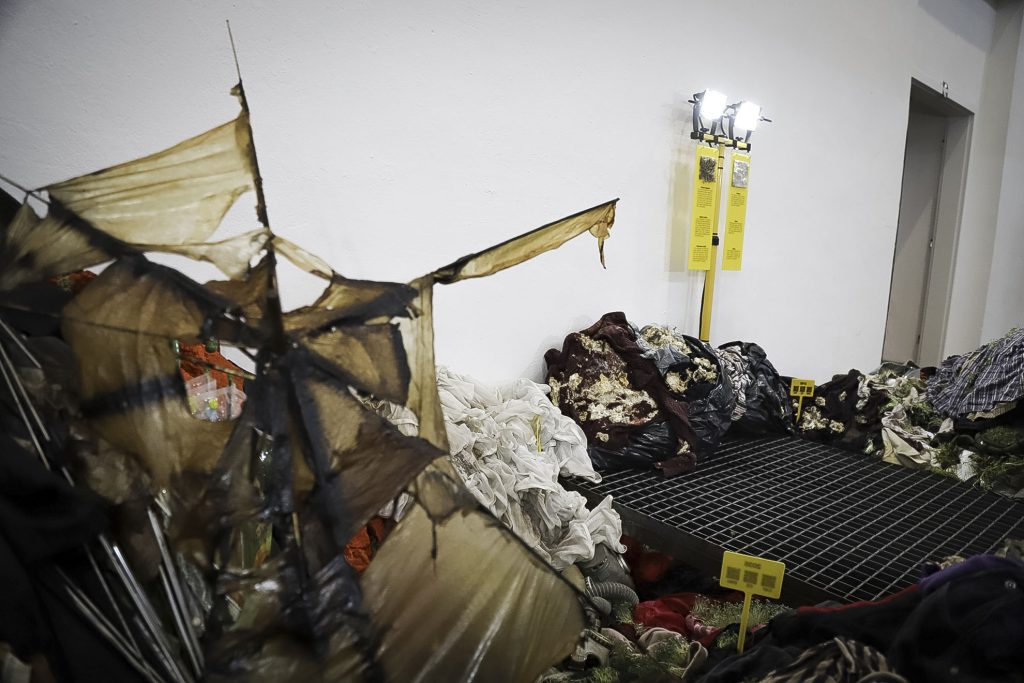
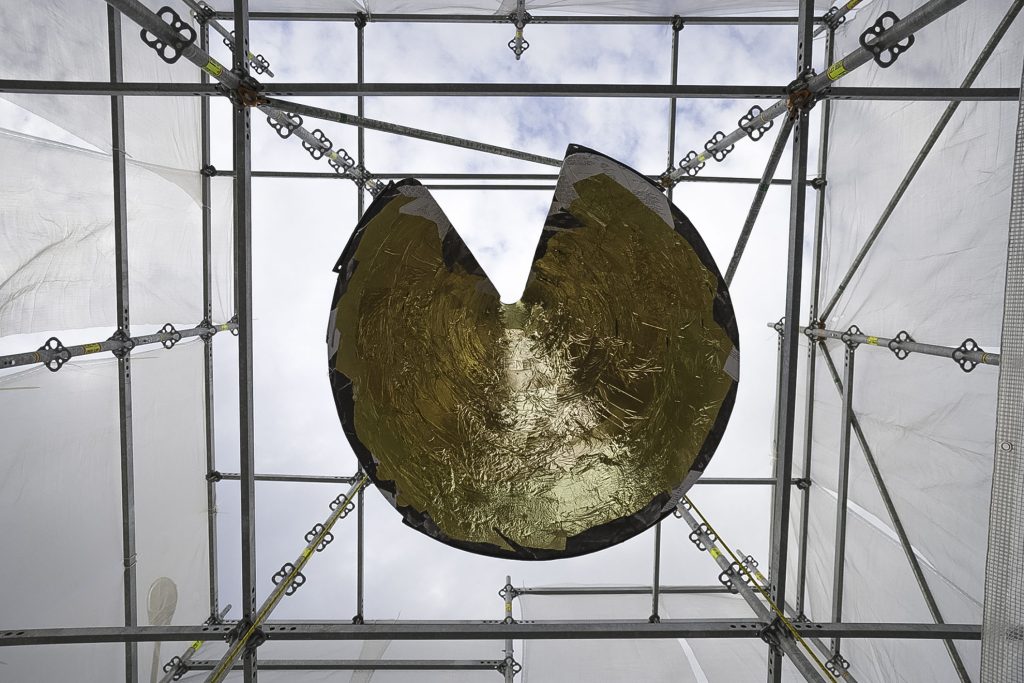
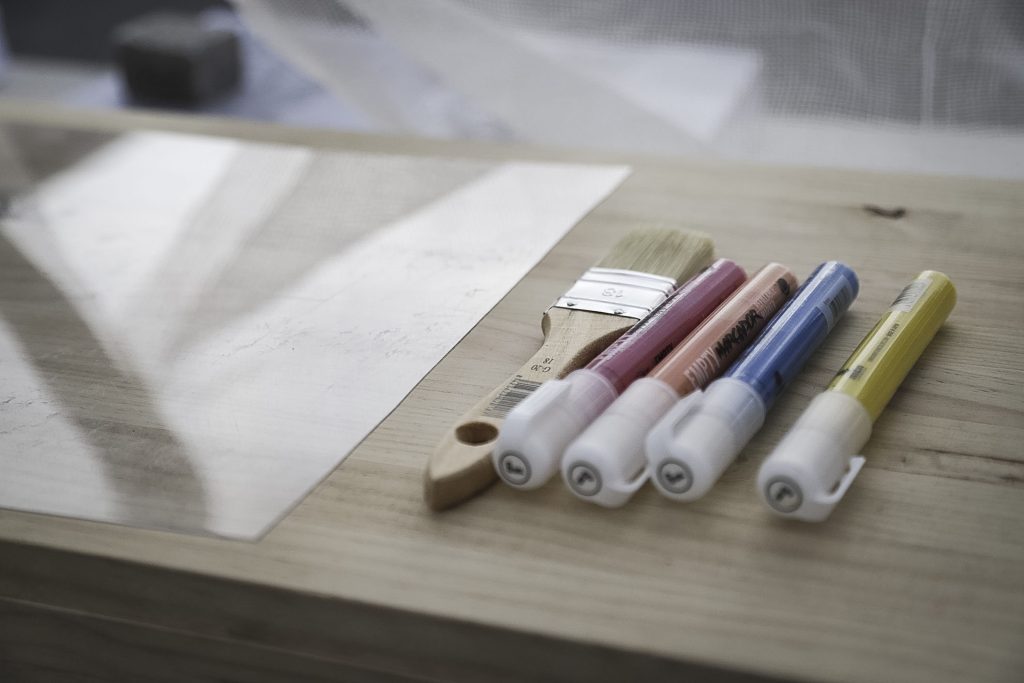
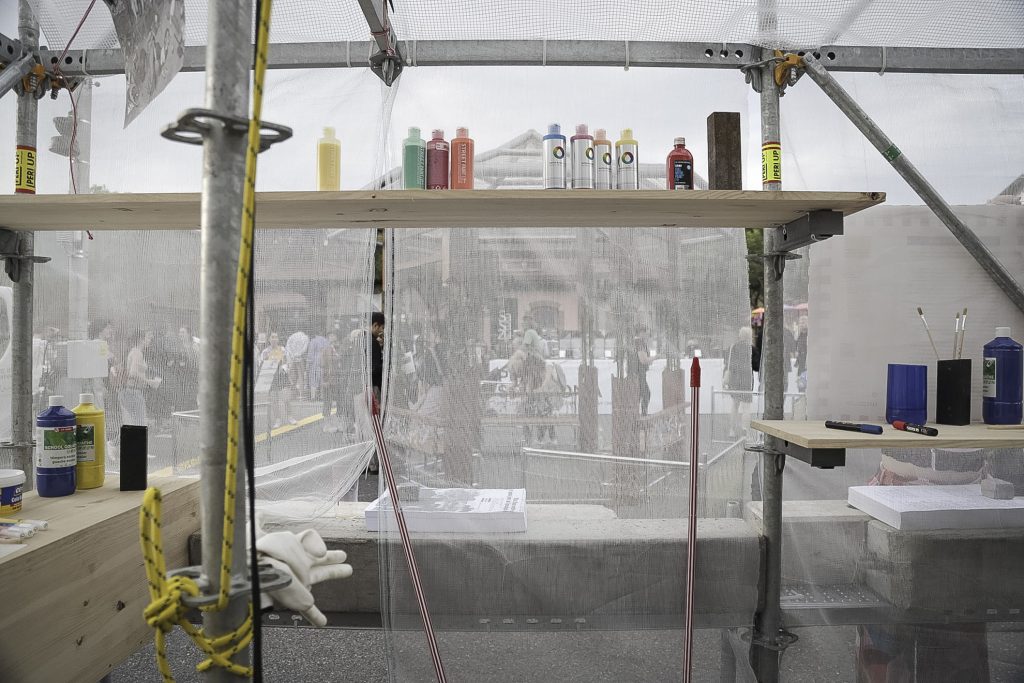
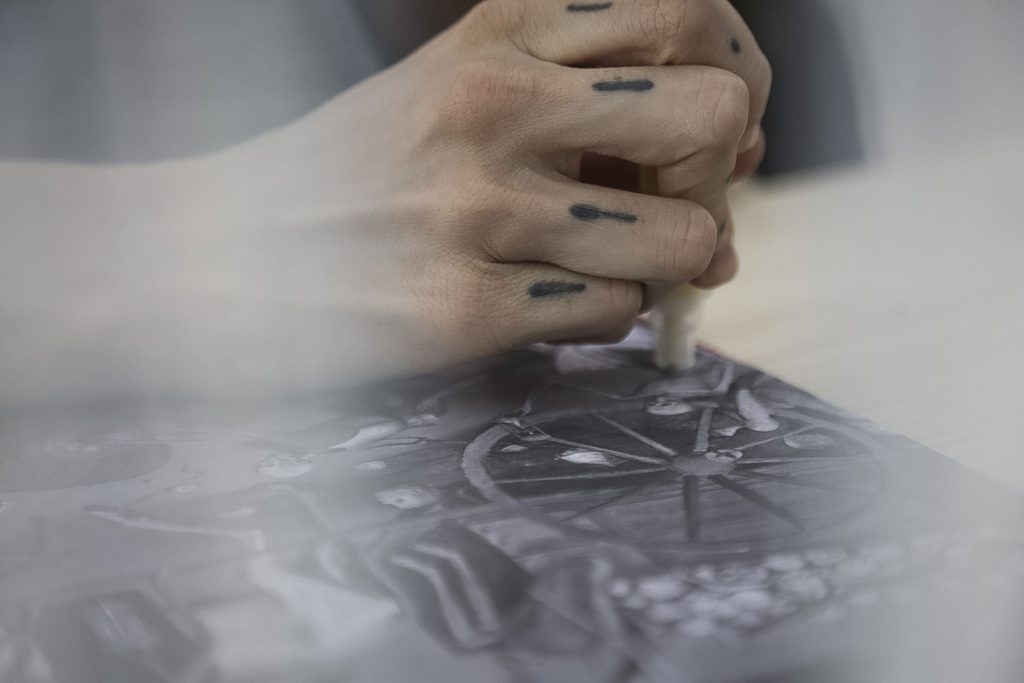
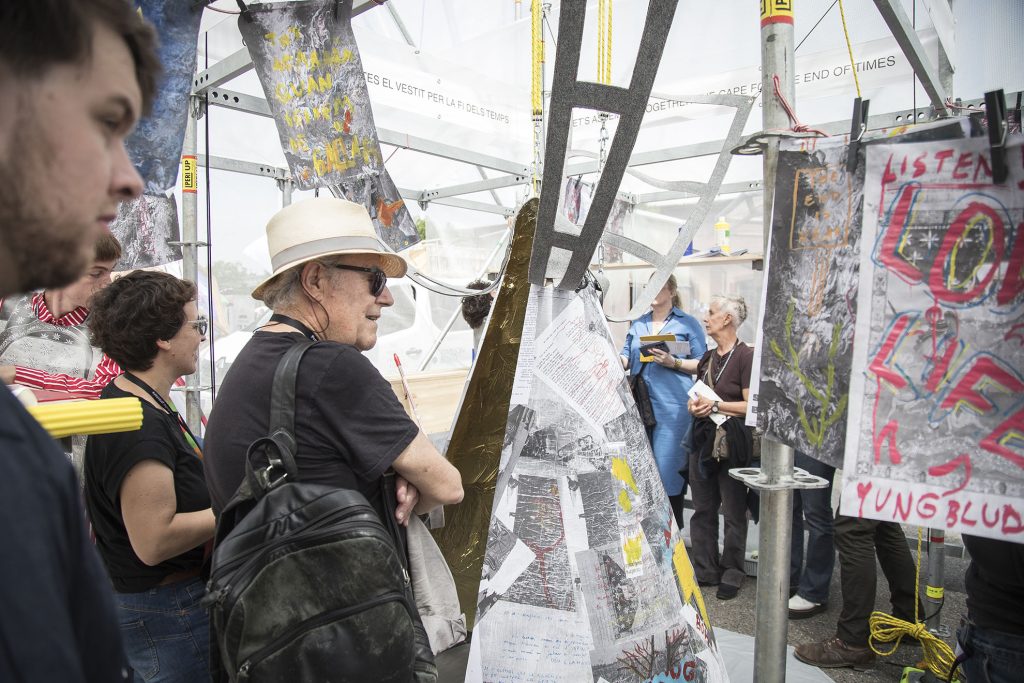
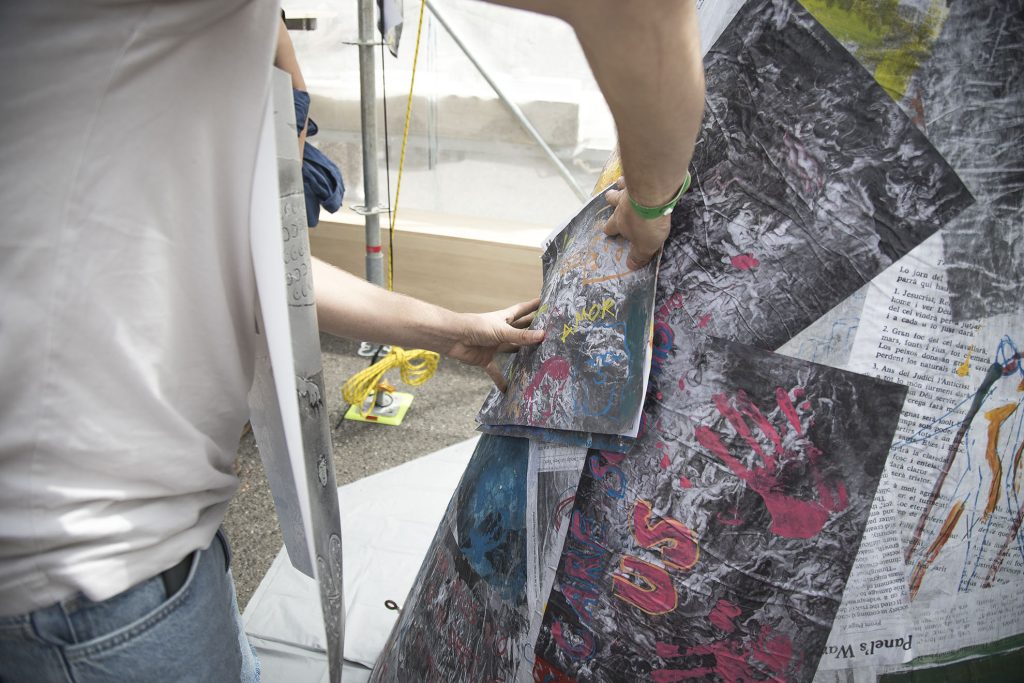
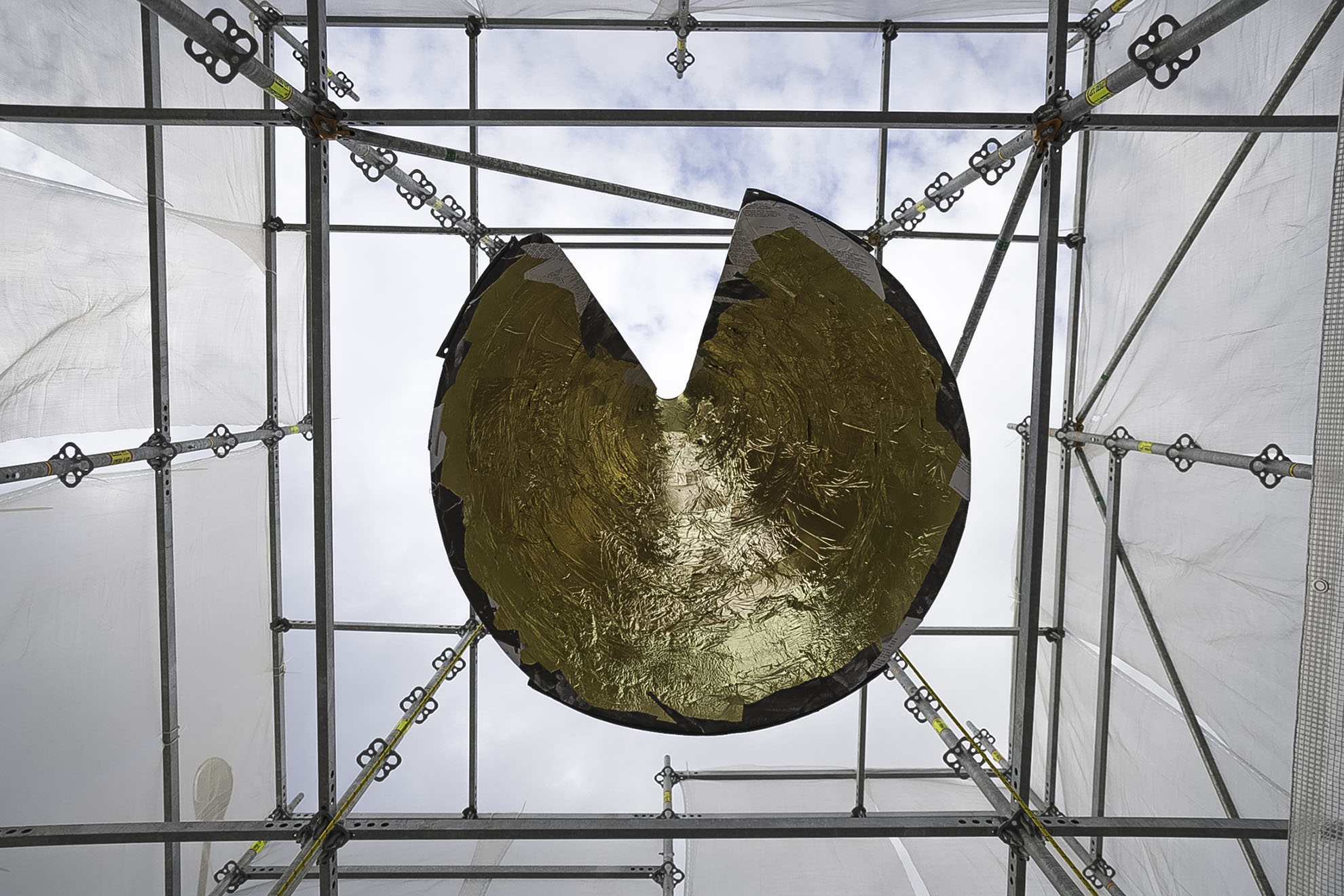
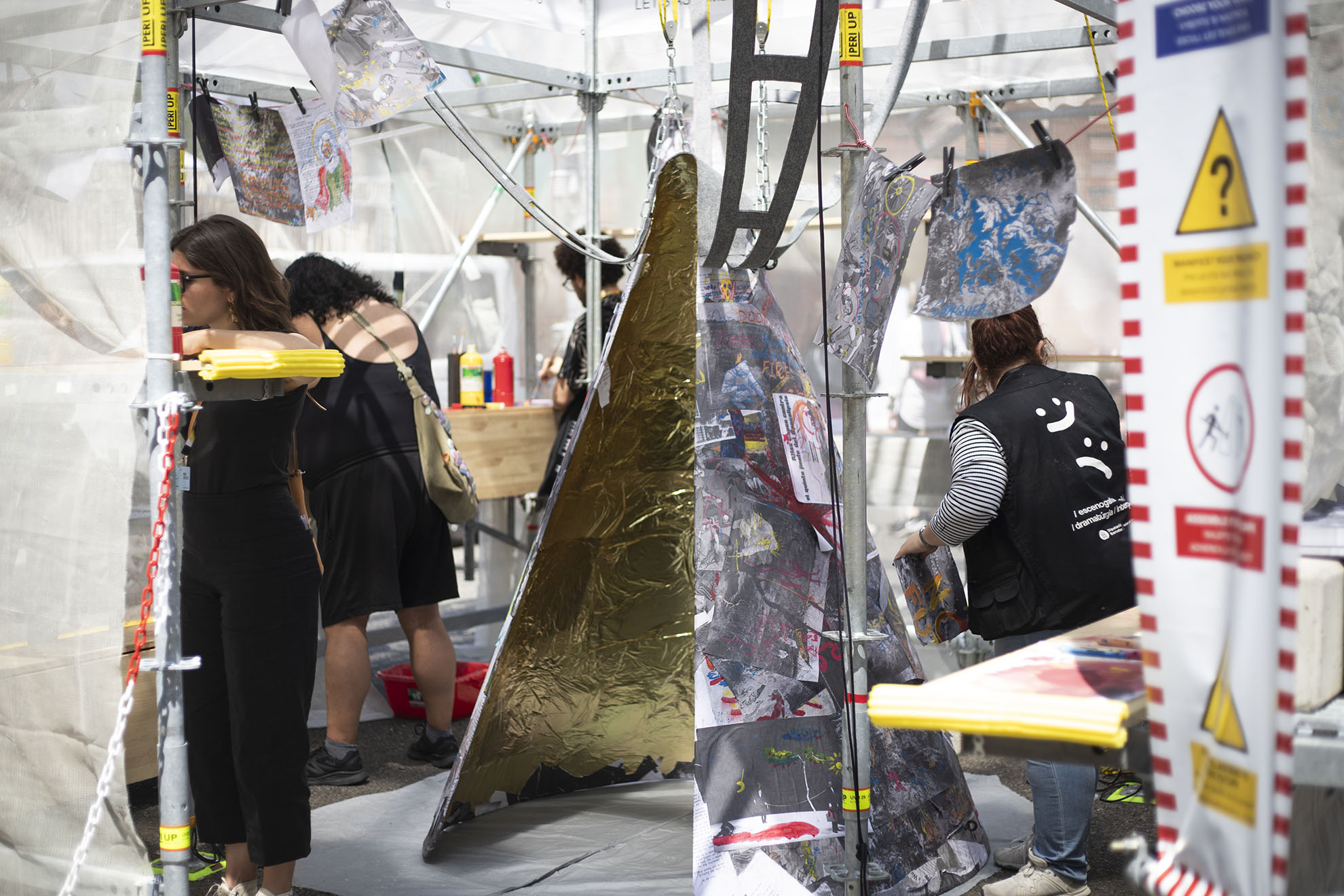
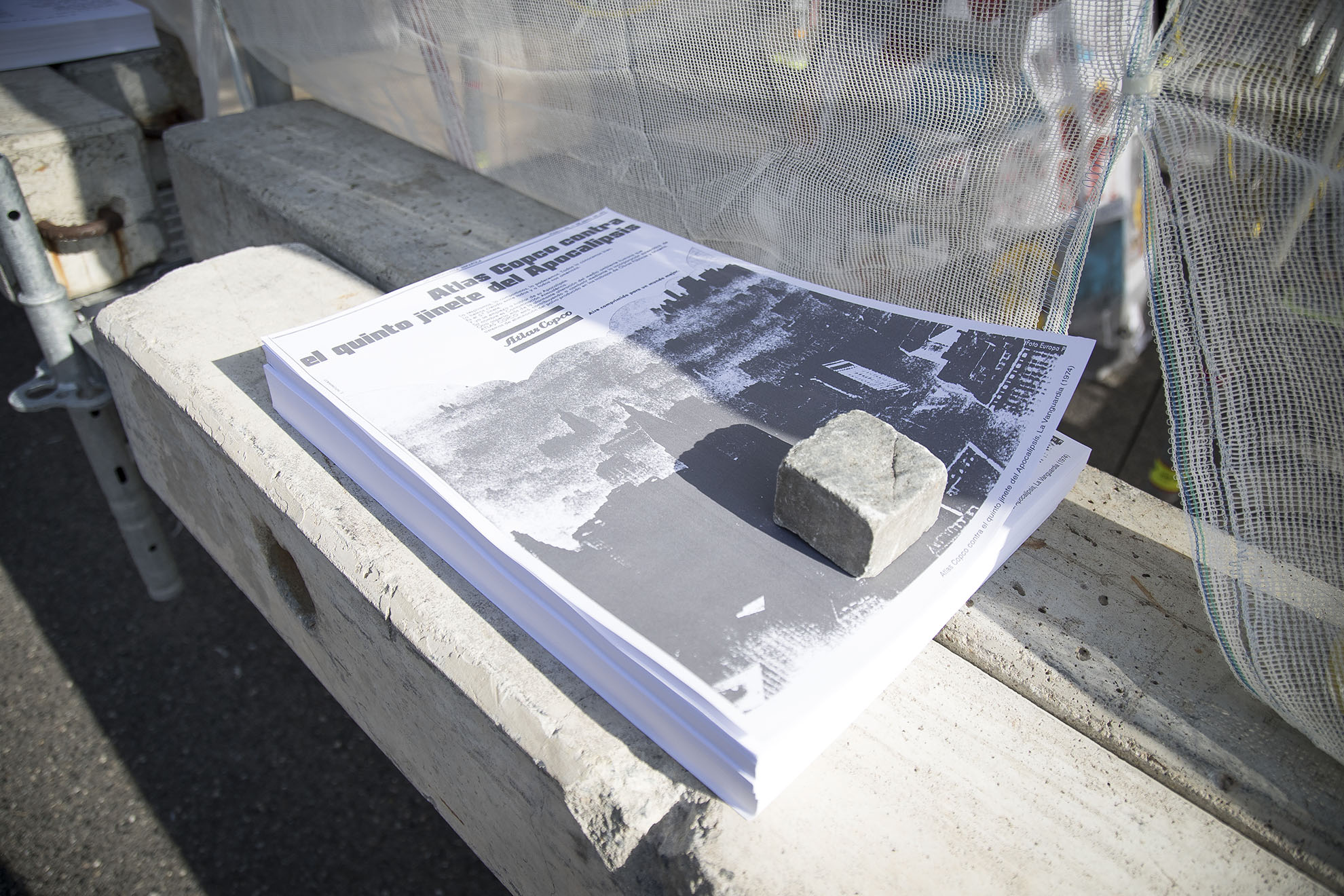
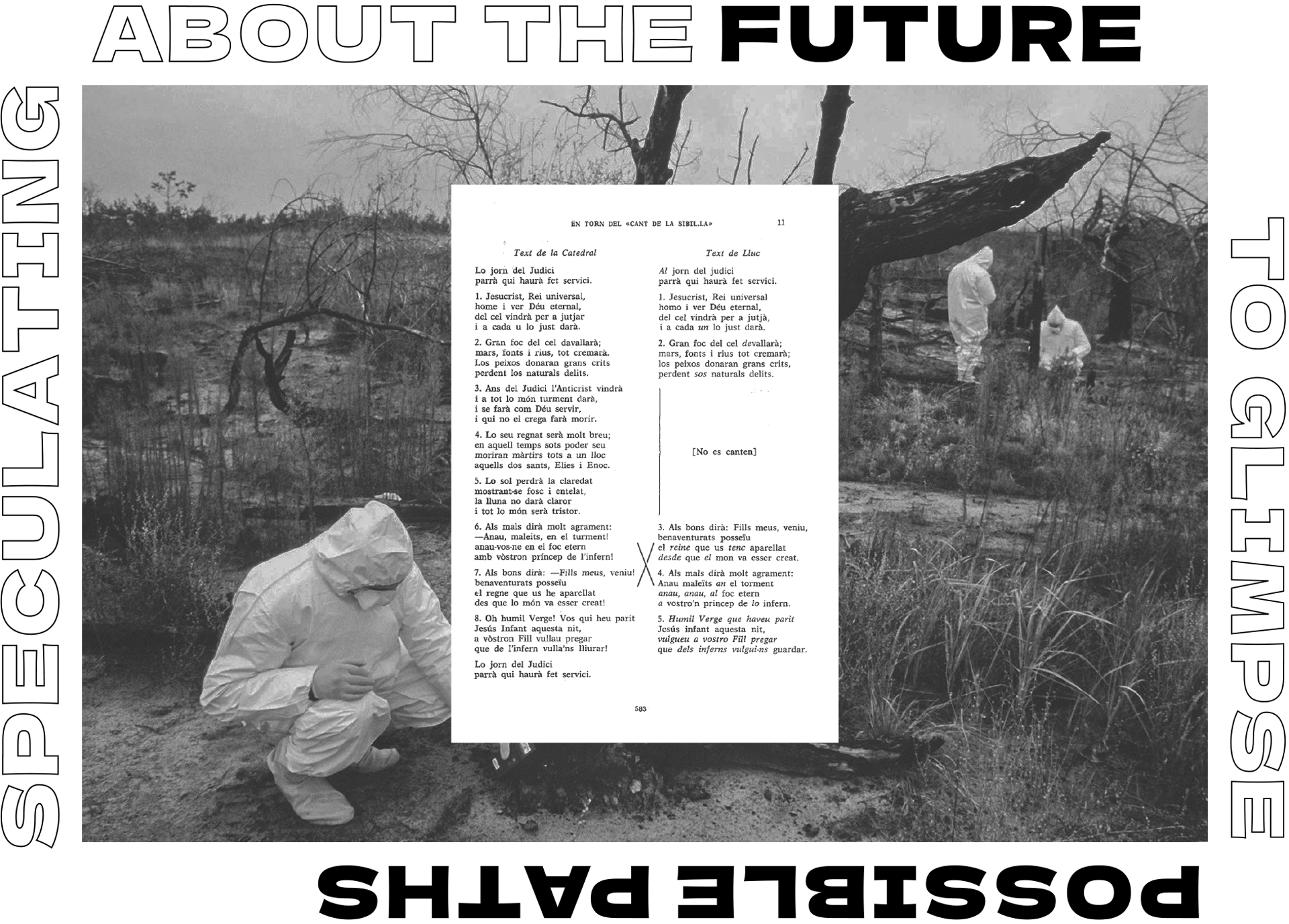
Images used in the installation The Chant of the Sybil.
At a time apparently with no future, speculation about this future surfaces. The interest in astrological disciplines such as the horoscope and tarot has re-emerged in recent years among the millennial and centennial generations. It is the re-reading, from feminist and queer spaces, of the legacy of wizards and sorceresses, those who know about and create upcoming events. It is Silvia Federici’s Caliban and the Witch (2004) and it is the ethereal and fleeting air of Ariel in The Tempest (1611). It is the research, still rejected and dismissed today, of Witchcraft and the Gay Counterculture (1978) by the American activist and thinker Arthur Evans.
In a vein running in parallel, CROP and The Chant of the Sybil defend and give a new meaning to the speculative practices of the collective and ritual chant and the archaeological mirroring in a future that has not taken place. In a world plunged into the infoxication and the noise of data, the forecasts and the poetic function of the performance language, imagination, can become useful tools to foretell dramatic events, fires, floods and other forms of Apocalypse. And to imagine a more pleasant possible future. What will it be like to look at the remains of costumes and garments of a Teatre Nacional de Catalunya in 2053?1 If the oracles and temples are in the remotest ruin, what spaces are left to the 21st-century Sybil?
Speculating about the future2 can be a way of criticising and also a warning. Also a first step to glimpse possible paths.
Sebastià Portell
1
There is the final date, but there are also other dates: 2032, 2024, 2039, 2052, 2012, 2005, 2019, 2035, 2031, 2044, 2001, 1997. Like a succession of days with no apparent connection, a play of perspectives.
2
"And then what will you do with all this?" The immediate future appears in a question. A CROP user poses it: what will be done, after the Prague Quadrennial, with all this flowery stuff? Moss, mycelium, floridity, they are also living beings. Who condemns them and who pardons them? Who discards them or decides to preserve them? Interrogating about what is to come also implies imagining the possibilities of deciding.
CROP, Meritxell Colell
1' 28'' — The future according to the students team.
1' 48'' — The future according to the professional team.
Drawings by Raimon Rius
Images used in the installation The Chant of the Sybil.